A Plain-English Guide to Filing Your Self Assessment Tax Return
“Would 100% recommend, is always polite, professional and helpful! He is always available to answer any questions I have and his knowledge has been a saving grace many times!”
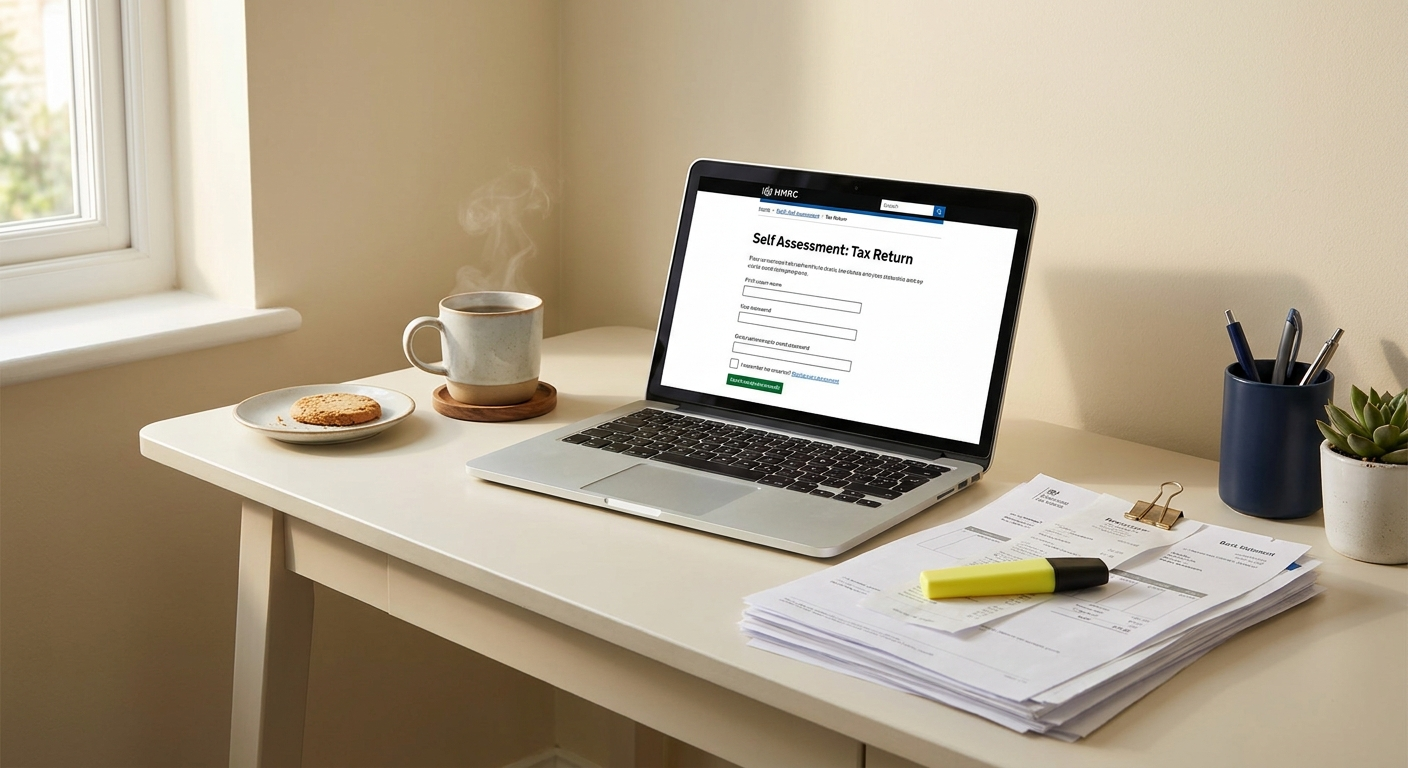
If you are self-employed, a sole trader, or earning income outside of PAYE, filing a self assessment tax return is your legal responsibility. This guide walks you through what it involves, what mistakes to avoid, and what to do if you are already behind.
Why self assessment affects more people than they realise
Self assessment is how HMRC collects tax on income that is not taxed automatically through an employer’s payroll. That includes self-employment income, freelance earnings, rental income, and dividends above a certain threshold. If any of those apply to you, you are required to register with HMRC and file a return each year.
The scale of self assessment in the UK is significant. Self-assessed Income Tax receipts reached a provisional £15.5 billion in July 2025 alone, up £2.7 billion on the same month in 2024. That figure reflects millions of people filing returns every year, many of them managing it without professional help and getting parts of it wrong.
From 6 April 2026, sole traders and landlords with qualifying income over £50,000 must use recognised software and submit quarterly updates to HMRC under Making Tax Digital for Income Tax. This replaces the traditional annual return for those in scope. The threshold drops to £30,000 from April 2027 and £20,000 from April 2028. Over 860,000 sole traders and landlords are affected by the April 2026 change alone.
Where most people go wrong
Most mistakes on self assessment returns are not the result of dishonesty. They come from not knowing what counts as income, which expenses are allowable, or when deadlines actually fall. A small error can result in penalties that grow quickly over time.
Missing the filing deadline
The initial penalty for a late return is £100, even if you owe no tax. After three months, HMRC can charge an additional £10 per day for up to 90 days, adding up to £900. After six months, a further charge of 5% of the tax owed or £300 applies, whichever is greater. The costs compound fast, so filing late is rarely the cheaper option people hope it will be.
Not claiming the right expenses
Many sole traders under-claim allowable expenses because they are unsure what qualifies. Common examples include working from home costs, business mileage, tools, equipment, software subscriptions, and professional fees. The HMRC notes for the 2025-26 Self-employment pages confirm a trading income allowance of up to £1,000 for smaller self-employment income, which may be more beneficial than claiming individual expenses in some cases. Getting this wrong in either direction costs money.
“Most of the clients I take on at filing time have either missed something or claimed too little. The filing itself is the easy part. It’s knowing what goes in it that makes the difference.”
What to do, step by step
Filing a self assessment return follows a clear sequence. Knowing the steps in advance makes it far less daunting than it looks from the outside.
- Step 1 – Register with HMRC. If you have not filed before, you need to register for self assessment online. HMRC will issue you a Unique Taxpayer Reference (UTR) by post, which takes up to 10 working days. Register before 5 October following the end of the tax year in which you had taxable income. Missing this date is itself a registration failure.
- Step 2 – Gather your income and expense records. Pull together all bank statements, invoices, receipts and any employment income figures (P60 or P45 if applicable). For the 2025-26 tax year, the period covered is 6 April 2025 to 5 April 2026. Good records reduce filing time and reduce the risk of a mistake. Cloud accounting tools such as QuickBooks, FreeAgent or Xero make this significantly easier if used throughout the year.
- Step 3 – Complete and submit the return by 31 January. Online returns for the 2025-26 tax year are due by 31 January 2027. Any tax owed is also due by that date. If you make payments on account, your first payment was due the previous July. Double-check figures before submitting and keep a copy of your confirmation from HMRC.
If you are in scope for Making Tax Digital for Income Tax, the process changes. From 6 April 2026, those earning over £50,000 from self-employment or property must use MTD-compatible software and submit quarterly updates instead of a single annual return. An end-of-period statement and final declaration will replace the traditional January filing for those affected.
Costs and what to expect
The two costs most people conflate are the accountant’s fee and the actual tax bill. They are separate. Your tax liability depends on your income, allowable expenses, and any reliefs you are entitled to. The accountant’s fee is what you pay to have the return prepared and filed accurately. For a straightforward sole trader return with organised records, professional fees typically start from around £150 to £250. More complex situations involving multiple income streams, rental income, or capital gains cost more. Doing it yourself is free in terms of direct cost, but the risk of errors, penalties, or missed deductions should be factored in honestly.
| Option | Pros | Cons |
|---|---|---|
| File it yourself via HMRC online | No accountant fee. Suitable for very simple situations with one income source and organised records. | Higher risk of missing allowable expenses, misreporting income, or triggering an HMRC query. No safety net if something goes wrong. |
| Use a qualified accountant | Accurate filing, expenses reviewed, tax minimised where possible. Someone to contact if HMRC gets in touch. | There is a fee involved, though for most sole traders this is offset by the deductions found and the time saved. |
How to get started today
Whether you are filing for the first time or trying to get on top of a return you have been avoiding, the first step is the same. Work out where you actually stand before you do anything else. That means knowing your registration status, what records you have, and whether your income puts you in scope for MTD.
- Check whether you are registered for self assessment by logging into your HMRC online account or calling HMRC directly on 0300 200 3310. If you are not registered and you had self-employment income in 2025-26, register now to avoid missing the 5 October deadline.
- Collect 12 months of income records for the 2025-26 tax year (6 April 2025 to 5 April 2026). Bank statements, invoices and receipts are the minimum. If you use cloud accounting software, export a profit and loss summary. If you do not use any software, a simple spreadsheet covering income and allowable expenses is a workable starting point.
Ready to sort your self assessment return?
I handle self assessment personally for sole traders and contractors across the UK, covering income review, allowable expenses, and submission to HMRC at a fixed fee with no tie-in. Book a free call and I will tell you exactly what is involved for your situation.
Do you know what your self assessment return needs to include?
Answer five quick questions and get a clear next step based on your income and filing situation.

AAT qualified accountant based in Uttoxeter. Personal, one-to-one accounting for small businesses and sole traders across the UK.