A Plain-English Guide to Sole Trader Accounts
“Would 100% recommend, is always polite, professional and helpful! He is always available to answer any questions I have and his knowledge has been a saving grace many times!”
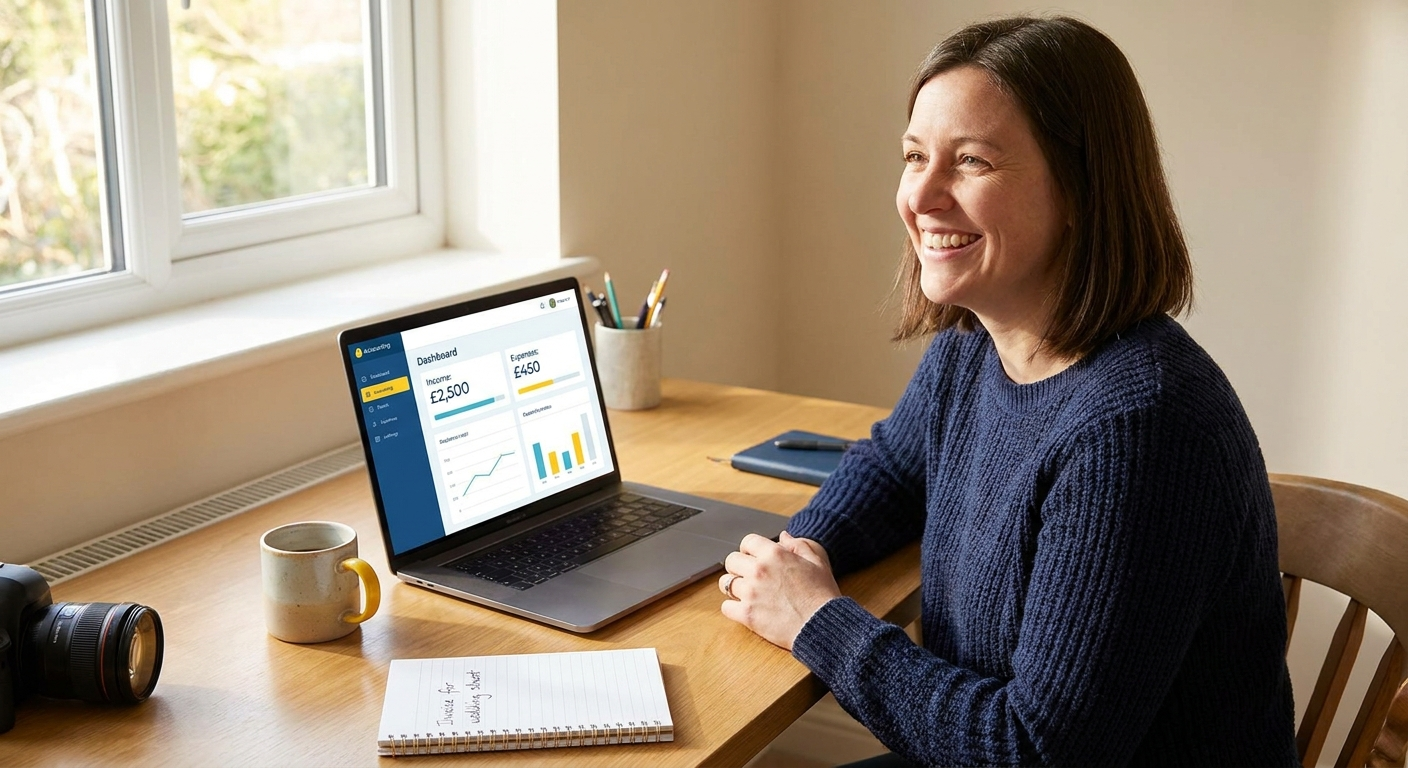
If you are self-employed and unsure what you are actually supposed to be keeping track of, you are not alone. This guide covers exactly what sole trader accounts involve, what the law requires, and what you can do this week to get on top of it.
Why sole trader accounts matter more than you might think
Sole proprietorships make up 56% of all UK private sector businesses, and 4.38 million people were self-employed in Q4 2025. The vast majority of them face the same annual obligation: filing a Self Assessment tax return with HMRC and keeping accurate records of their income and expenses. This is not optional, and HMRC does not accept ignorance as an excuse.
Your accounts are the foundation of your tax return. If the numbers going in are wrong or incomplete, the tax figure coming out will be wrong too. That means either paying more than you owe, or underpaying and facing an interest charge of 7.75% on late payments as of January 2026, according to HMRC figures.
From April 2026, sole traders with a turnover above £50,000 must join Making Tax Digital for Income Tax (MTD for IT). This means keeping digital records and submitting quarterly updates to HMRC through approved software. If your turnover is approaching or above that threshold, the way you manage your accounts needs to change now, not at year-end.
Where most sole traders go wrong
Most problems with sole trader accounts do not come from complexity. They come from leaving everything to the last minute, mixing personal and business money, and not knowing which expenses are actually allowable. These are fixable habits, and most of them cost nothing to change.
Missing the Self Assessment deadlines
The online Self Assessment deadline is 31 January each year. Miss it, and HMRC issues an automatic £100 penalty, even if you owe no tax at all. If your tax bill exceeds £1,000 and less than 80% of your tax is collected at source, you will also owe payments on account for the following year, which catches many sole traders completely off guard in their second year of trading.
Claiming too little (or the wrong things)
Sole traders pay Income Tax and National Insurance on their profits, so every pound of allowable expense you miss is a pound taxed unnecessarily. Common omissions include use of home as an office, mileage, professional subscriptions, and equipment. Getting this right requires understanding HMRC’s rules, not guesswork.
“Most sole traders I speak to are not in a worse position than they think. They just do not know which bits are urgent and which bits can wait. That is usually solved in one conversation.”
What to do with your sole trader accounts (step by step)
You do not need expensive software to start. What you need is a consistent habit and a clear picture of what HMRC expects from you. The three steps below cover the minimum you must do as a sole trader operating in the UK.
- Keep a record of every business transaction. This means all income received and all business expenses paid. A spreadsheet works to start, though cloud software like QuickBooks, FreeAgent or Xero will save time as your volume grows. HMRC requires you to keep these records for at least five years after the 31 January filing deadline of the relevant tax year.
- Separate your business and personal finances. Open a dedicated bank account for your business, even if it is just a free personal account used solely for self-employment. This one step removes hours of confusion when it comes to reconciling your figures at year-end and makes it far easier to spot missing transactions.
- File your Self Assessment tax return on time and accurately. Register with HMRC as self-employed if you have not already, complete your return online by 31 January each year, and pay any tax owed by the same date. If your turnover exceeds £50,000 from April 2026, you must also comply with Making Tax Digital for Income Tax requirements, which means quarterly digital submissions.
If you are already behind on any of these steps, the worst thing you can do is continue to avoid it. HMRC penalties increase over time, but catching up is always possible. Most sole traders who have fallen behind by a year or two can be brought fully up to date with a structured approach.
Costs and what to expect
Managing your own sole trader accounts is possible, particularly in the early stages of self-employment with straightforward income and expenses. The real cost calculation is time versus risk. HMRC penalties, missed expense claims and late payment interest all add up, and they are rarely offset by the saving of an accountant’s fee. At Anchor Accounts and Books, I work on fixed fees so you know the cost upfront with no surprises.
| Option | Pros | Cons |
|---|---|---|
| DIY (spreadsheet or cloud software) | Low upfront cost, full control over your own records | High risk of errors, missed allowances and late filing penalties if deadlines slip |
| Working with an accountant | Accurate filing, all deadlines tracked, expenses reviewed properly, direct answers when you need them | Monthly or annual fee, though often recovered through correct expense claims alone |
How to get started today
You do not need to have everything in order before you take the first step. Pick one action from the list below and do it today. Progress on sole trader accounts almost always comes from starting small and building consistency, not from waiting until you have the perfect system.
- Open a spreadsheet or free cloud accounting trial and log every business transaction from this week forward. You are building a habit, not catching up on everything at once.
- Check your HMRC online account to confirm you are registered for Self Assessment and note your next filing deadline. If you are not yet registered and you earned more than £1,000 from self-employment in the last tax year, register now.
Ready to sort your sole trader accounts?
I prepare Self Assessment returns, year-end accounts and bookkeeping for sole traders across the UK on a fixed fee with no tie-in. Book a free 20-minute call and I will tell you exactly what needs doing and what it will cost.
How on top of your sole trader accounts are you right now?
Answer five quick questions and get a clear, personalised next step based on where you actually are.

AAT qualified accountant based in Uttoxeter. Personal, one-to-one accounting for small businesses and sole traders across the UK.