A Practical Guide to Self Assessment for Freelancers
“Would 100% recommend, is always polite, professional and helpful! He is always available to answer any questions I have and his knowledge has been a saving grace many times!”
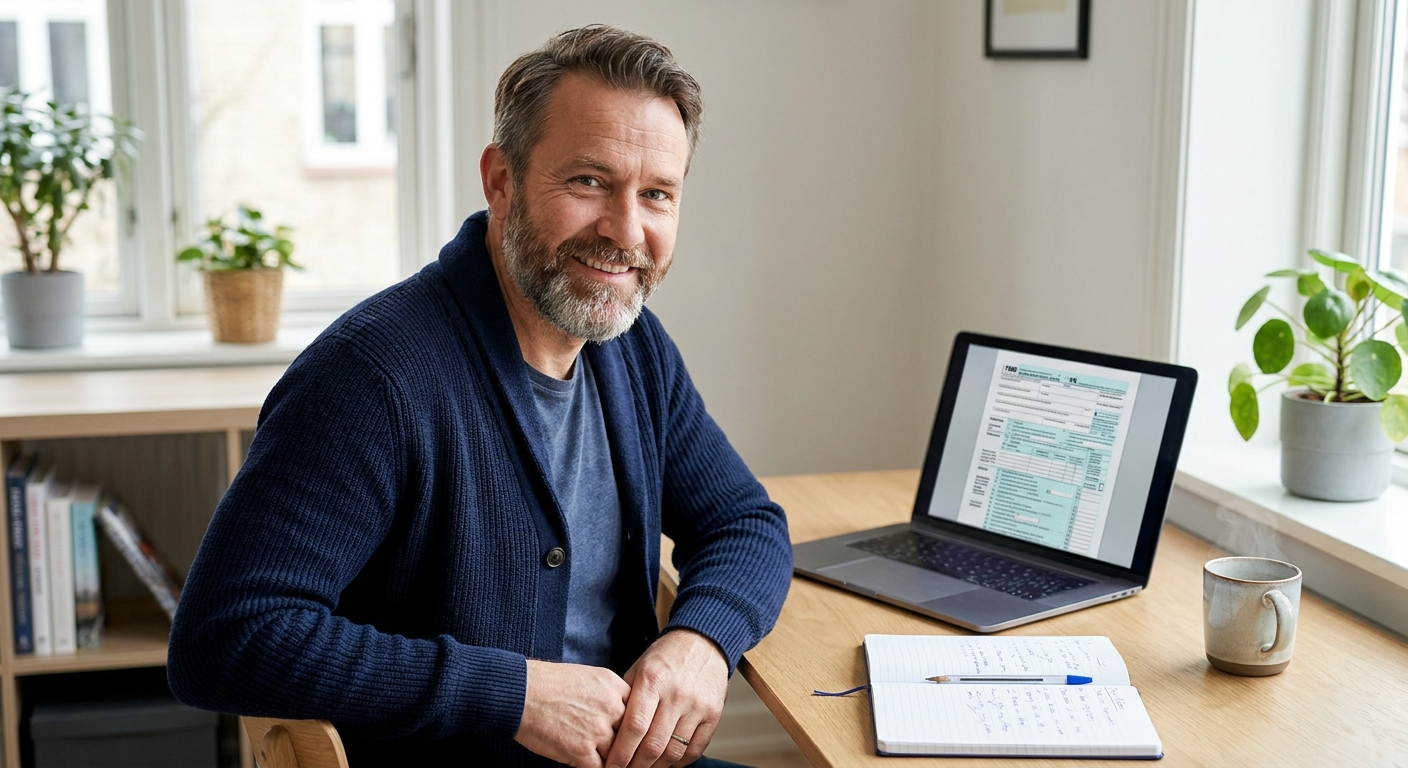
If you are freelancing in the UK and unsure whether you need to register, what you can claim or when the deadlines are, this guide covers each part of the process in plain English. By the end, you will know exactly where you stand and what to do next.
Why self assessment matters for freelancers
If you earned more than £1,000 from self-employment in the last tax year, HMRC requires you to file a Self Assessment tax return. That threshold is low by design. Most freelancers hit it within their first few months of trading.
Self Assessment is how HMRC collects Income Tax and National Insurance from people whose income is not taxed at source through payroll. As a freelancer, you are responsible for calculating what you owe, registering on time and paying by the correct deadlines. There is no employer doing any of this for you.
The tax system for freelancers is changing significantly. From 6 April 2026, Making Tax Digital for Income Tax requires sole traders with qualifying income above £50,000 in the 2024-25 tax year to submit quarterly digital updates to HMRC, replacing the single annual return. Thresholds then drop to £30,000 from April 2027 and £20,000 from April 2028. If you are close to any of these figures, this affects your filing obligations now.
Where most freelancers go wrong
The two most common problems I see are registering too late and under-claiming allowable expenses. Both are avoidable and both cost money. Getting your registration in on time and recording expenses properly from the start makes everything else easier.
Missing the registration deadline
You must register for Self Assessment by 5 October following the end of the tax year in which you became self-employed. If you started freelancing in the 2025-26 tax year, that means registering by 5 October 2026. Miss that date and HMRC can issue a penalty before you have even filed anything.
Not claiming the expenses you are entitled to
HMRC allows self-employed individuals to deduct allowable expenses from their income before calculating taxable profit. Home office costs, phone bills, software subscriptions, professional fees and travel can all reduce your bill. Most freelancers who file without help miss at least some of these, which means paying more tax than they need to.
“Most freelancers I speak to have either over-paid tax by missing legitimate expenses or under-paid because they had no idea what they owed. A well-prepared return sorts both. It is not complicated when someone walks you through it once.”
What to do, step by step
The process breaks down into four stages. Each one builds on the last, so it helps to work through them in order rather than jumping straight to filing.
- Register with HMRC: Go to GOV.UK and register for Self Assessment as a sole trader. You will receive a Unique Taxpayer Reference (UTR) number by post. Do this as soon as you start freelancing and earning above the £1,000 trading allowance, and no later than 5 October after the end of that tax year.
- Gather your income and expenses records: Pull together everything you earned from freelance work in the tax year (6 April to 5 April) and every allowable expense you paid. Bank statements, invoices and receipts are your source material. If you use cloud accounting software such as QuickBooks, FreeAgent or Xero, this step is much quicker because the data is already categorised.
- File your return and pay what you owe: Submit your tax return online by 31 January following the end of the tax year. Payment is due on the same date. HMRC may also ask for a Payment on Account, which is an advance payment toward the following year’s bill. Knowing that figure in advance lets you budget for it rather than being caught out.
If Making Tax Digital for Income Tax applies to you (see the callout above), you will also need to submit quarterly digital updates through compatible software before filing a final end-of-year declaration. This replaces, rather than adds to, the annual return process.
Costs and what to expect
Filing your own Self Assessment return costs nothing in software fees if you use HMRC’s free online service. However, the time cost is real, and errors can result in penalties or an overpaid tax bill. An accountant typically charges a fixed fee per return or a monthly retainer that covers your return as part of a broader service. At Anchor Accounts and Books, I offer fixed fees so you know the cost upfront without surprises.
| Option | Pros | Cons |
|---|---|---|
| DIY via HMRC portal | No accountant fee | Risk of missed expenses, errors or penalties |
| Using an accountant | Accurate filing, expenses maximised, deadlines tracked | Annual or monthly fee to budget for |
How to get started today
You do not need to have everything sorted before taking the first step. Start with your registration status and work from there. If you are already registered but have not filed, the priority is knowing how far behind you are and what the penalty exposure looks like.
- Check whether you are registered: Log in to your Government Gateway account or visit GOV.UK to confirm you have a UTR number and are enrolled for Self Assessment. If you are not yet registered and you earned over £1,000 from freelancing in the last tax year, register now.
- Start collecting your income and expense records: Open a simple spreadsheet or cloud accounting tool and list every payment received and every business expense for the tax year. QuickBooks, FreeAgent and Xero all have free trial periods and can make this significantly faster if you connect your business bank account.
Ready to sort your self assessment return?
I prepare and file Self Assessment returns for freelancers across the UK, including expense review, UTR registration support and Making Tax Digital compliance, all at a fixed fee with no tie-in. Book a free 20-minute call and we will cover your situation before you commit to anything.
How prepared are you for your self assessment deadline?
Answer five quick questions and get a clear picture of what you need to do before 31 January.

AAT qualified accountant based in Uttoxeter. Personal, one-to-one accounting for small businesses and sole traders across the UK.