What Does a Bookkeeper Actually Do for Your Small Business?
“Luke is an extremely professional and approachable guy. His knowledge in the field of accounting is second to none.”
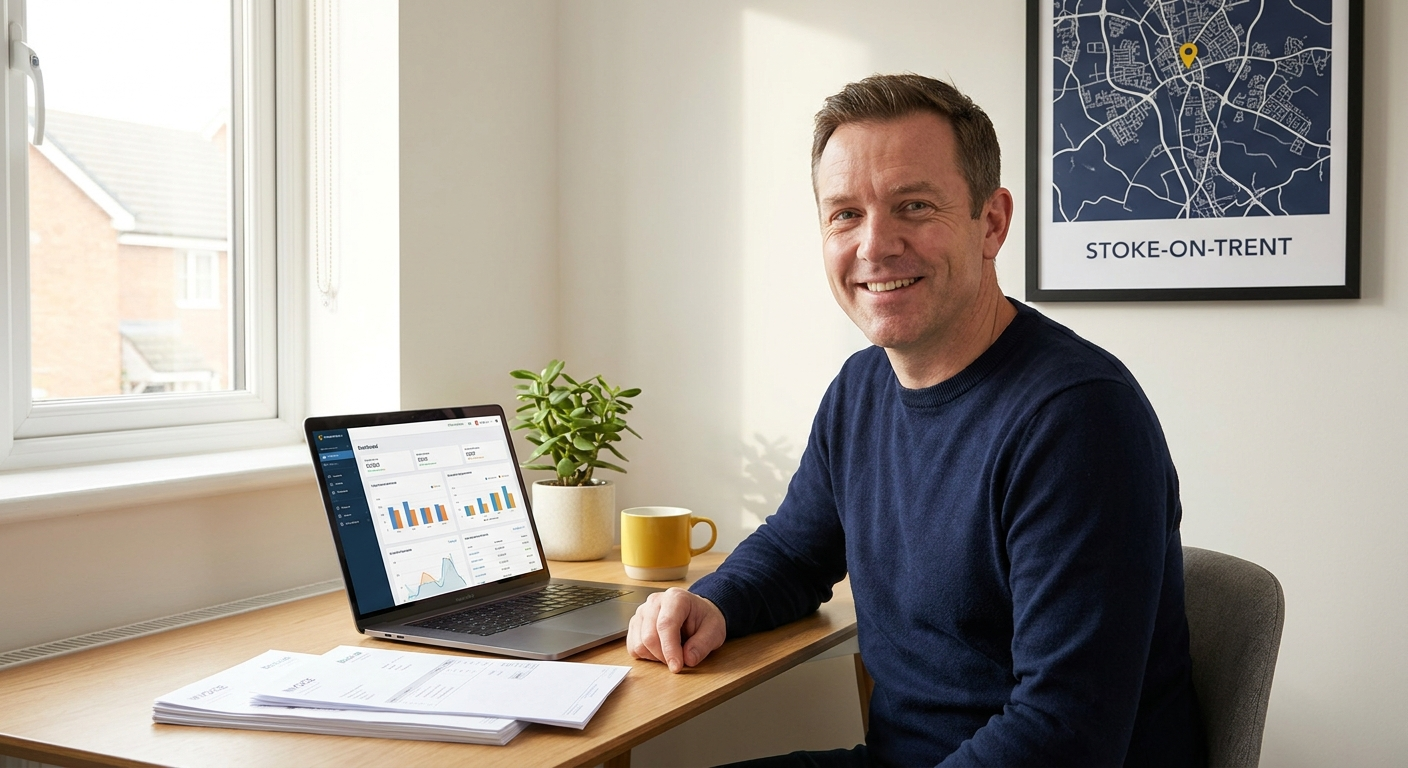
What a bookkeeper actually does is one of those things most small business owners only find out after they’ve been doing it badly for a year. It sounds straightforward — keep track of the money coming in and going out. But there’s a lot more to it than a spreadsheet and good intentions.
Bookkeeping: What It Is and What It Isn’t
Bookkeeping is the process of recording every financial transaction your business makes. Every invoice you raise, every supplier bill you pay, every expense receipt — all of it needs to be logged, categorised and kept in order. Done right, it gives you a clear, accurate picture of your finances at any point in time.
It’s not the same as accounting, though the two are closely linked. Bookkeeping is the groundwork — the ongoing recording of what’s actually happening with your money. Accounting uses that data to file your returns, calculate your tax and help you plan ahead. You can’t do the second part well without the first part being solid.
UK law requires limited companies to keep accounting records for at least 6 years from the end of the financial year they relate to. Getting this wrong can result in fines of up to £3,000 or, in serious cases, disqualification as a company director.
What a Bookkeeper Actually Does Day-to-Day
The core job is keeping your records current and accurate. That means recording sales and income, logging business expenses, reconciling your bank statements so the books match reality, and making sure VAT is tracked correctly if you’re registered. If payroll is involved, that gets managed too. It’s not glamorous — but when it’s missing, everything else falls apart.
A good bookkeeper also catches problems before they become expensive ones. Common issues for small businesses include duplicate charges and missing receipts — small things that quietly add up. When your records are maintained properly through cloud software like QuickBooks or Xero, you also get a real-time view of where your business stands, which makes decisions a lot easier than waiting for year-end to find out how you’ve done.
How Do You Know When You Actually Need One?
Most small business owners reach a point where the time it takes to keep their own books outweighs what they’d pay someone else to do it. If you’re spending evenings on receipts, you’re not spending that time on the business. Your hourly rate as a tradesperson, consultant or shop owner is almost certainly higher than what good bookkeeping costs per month.
The other signal is anxiety. If you’re not sure whether your VAT figures are right, or you’ve got a box of receipts you’ve been meaning to sort since last April, that’s not a bookkeeping problem — it’s a business risk. HMRC doesn’t distinguish between ‘didn’t know’ and ‘didn’t bother.’ Getting your records in order before something goes wrong is a lot cheaper than fixing it after.
What to Look for When You’re Choosing a Bookkeeper
Qualifications matter. AAT (Association of Accounting Technicians) is the recognised standard for bookkeepers in the UK, and FMAAT is the full membership designation that shows someone has completed the full Level 4 qualification and met ongoing professional requirements. Beyond that, look for someone who actually uses the software you’re on — or can move you to something better. Being a QuickBooks ProAdvisor or FreeAgent partner means they’ve been trained and assessed by the software provider directly, not just watched a YouTube tutorial.
The practical stuff matters just as much as credentials. How quickly do they reply to messages? Do you speak to the same person every time, or does your query go into a queue? Fixed fees mean no surprise bills. A rolling monthly arrangement means you’re not locked in if things change. These aren’t small things — they’re the difference between a bookkeeper who takes the stress away and one who adds to it.
If you’re based in Stoke-on-Trent or anywhere nearby and you’re not sure whether your books are in a good shape, just drop me a message. I’m happy to have a no-pressure chat about where you are and what would actually help. That’s what the free call is there for.
Ready to go further?
Whether you want to read the full practical guide or just have a conversation about your situation, here are two straightforward next steps.
Not sure if your bookkeeping is actually in good shape?
Answer five quick questions and find out whether your records are solid or whether there’s something worth sorting before it becomes a problem.

AAT qualified accountant based in Uttoxeter. Personal, one-to-one accounting for small businesses and sole traders across the UK.