Self Assessment as a Freelancer: What You Actually Need to Know
“Luke is an extremely professional and approachable guy. His knowledge in the field of accounting is second to none.”
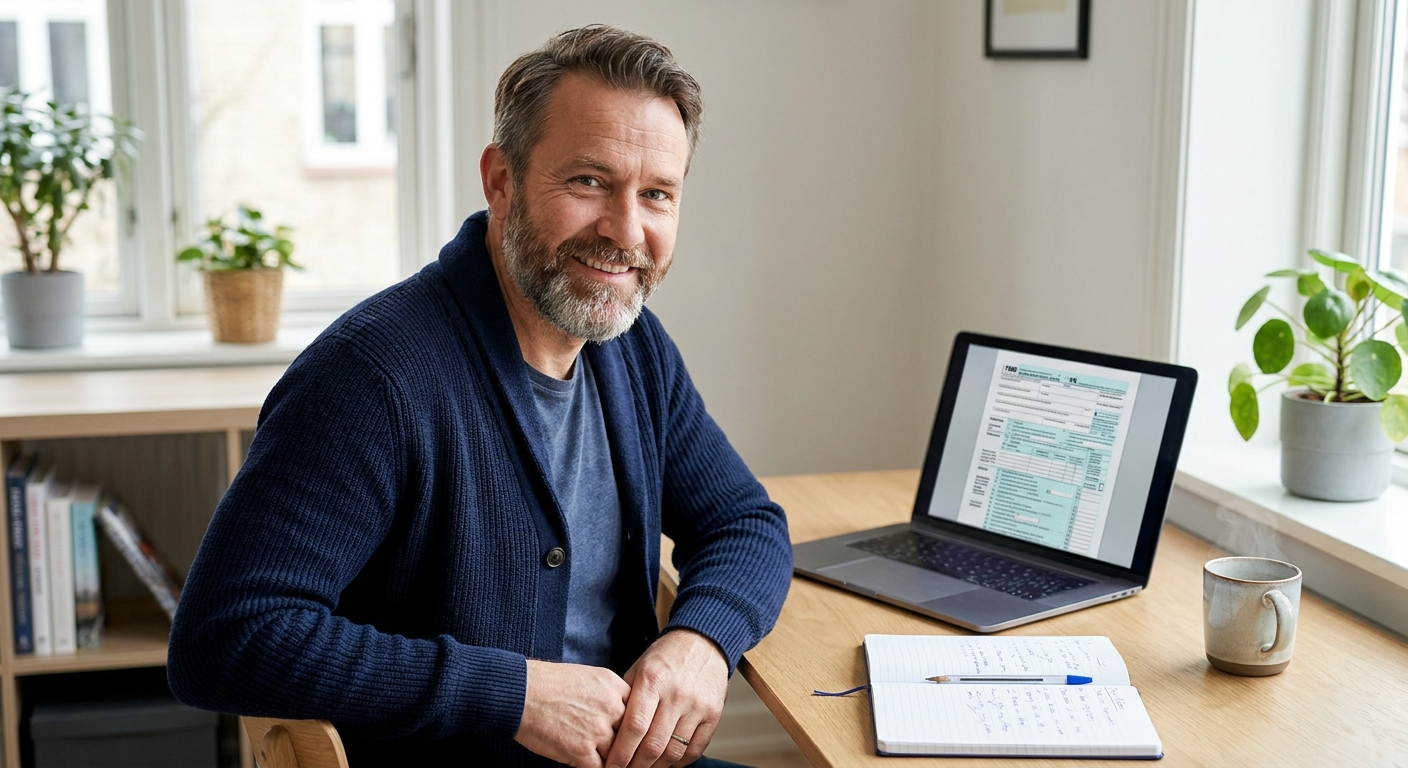
How does self assessment work for freelancers? It’s one of those things that feels more complicated than it needs to be, so let me walk you through it clearly. If you’ve been putting this off, you’re not alone — but the sooner you understand it, the easier everything gets.
Do You Actually Need to Register for Self Assessment?
The short answer is: almost certainly yes, if you’re earning from freelance work. HMRC requires self-employed sole traders to send a self assessment tax return if they earned more than £1,000 in the last tax year. That £1,000 figure is called the trading allowance, and it’s a pretty low bar.
You also need to register if you’re part of a business partnership, if you have untaxed income from other sources like renting a property, or if you need to pay Capital Gains Tax. The registration deadline is 5 October following the end of the tax year in which you started freelancing. Miss that date and you could face a penalty, so it’s worth knowing where you stand sooner rather than later.
If you’ve been freelancing for a while and haven’t registered yet, you can still come clean. HMRC’s Voluntary Disclosure process lets you put things right, and getting it sorted promptly almost always results in a smaller penalty than waiting for HMRC to find you first.
The Deadlines Every Freelancer Needs in Their Diary
The UK tax year runs from 6 April to 5 April the following year. Once you’re registered, you have two filing deadlines to know: 31 October for paper returns and 31 January for online returns. Almost everyone files online now, so 31 January is the one that matters most.
The 31 January deadline is also when any tax owed for the previous year is due, along with your first ‘payment on account’ towards the current year’s bill. That payment on account catches a lot of freelancers off guard in their second year because suddenly there are two payments due at once. Knowing about it early means you can set money aside rather than scrambling in January.
What Do You Declare, and What Can You Claim Back?
You declare your total income from freelancing and then subtract your allowable business expenses to arrive at your taxable profit. HMRC allows self-employed individuals to deduct allowable expenses when calculating taxable profit, which means you only pay tax on what’s left after legitimate costs. Common examples include software subscriptions, home office costs, professional memberships, equipment and travel for work.
If your expenses are straightforward and you’re not VAT registered, you can use something called the cash basis, which means you record income when it’s received and costs when they’re paid. It keeps things simple. The key is keeping decent records throughout the year because trying to reconstruct 12 months of income and outgoings in January is exactly as painful as it sounds.
Making Tax Digital: What’s Changing for Freelancers
There’s a significant change on the horizon that every freelancer needs to know about. From April 2026, freelancers with qualifying income above £50,000 will be required to move to Making Tax Digital for Income Tax, which replaces the annual self assessment return with quarterly digital submissions to HMRC. The threshold then drops to £30,000 from April 2027 and £20,000 from April 2028.
In practice, this means using compatible software like QuickBooks, FreeAgent or Xero to submit income and expense summaries every three months instead of once a year. HMRC will notify people if they think they’re above the threshold, but it’s your responsibility to check and comply. If you’re approaching any of those income levels, now is a good time to get your bookkeeping set up properly so the transition isn’t a scramble.
Self assessment doesn’t have to feel like a threat looming over your freelance work. Once you understand the basics, it becomes just another process to manage. If any of this has raised questions specific to your situation, feel free to drop me a message and I’ll give you a straight answer.
Want to go deeper or get some help?
Whether you want to read through everything in detail or just hand this over to someone who’ll handle it for you, here are two good next steps.
Not sure where you stand with your self assessment?
Answer five quick questions and find out exactly what you need to do next as a freelancer.

AAT qualified accountant based in Uttoxeter. Personal, one-to-one accounting for small businesses and sole traders across the UK.