What Small Business Bookkeeping Actually Involves
“Luke is an extremely professional and approachable guy. His knowledge in the field of accounting is second to none.”
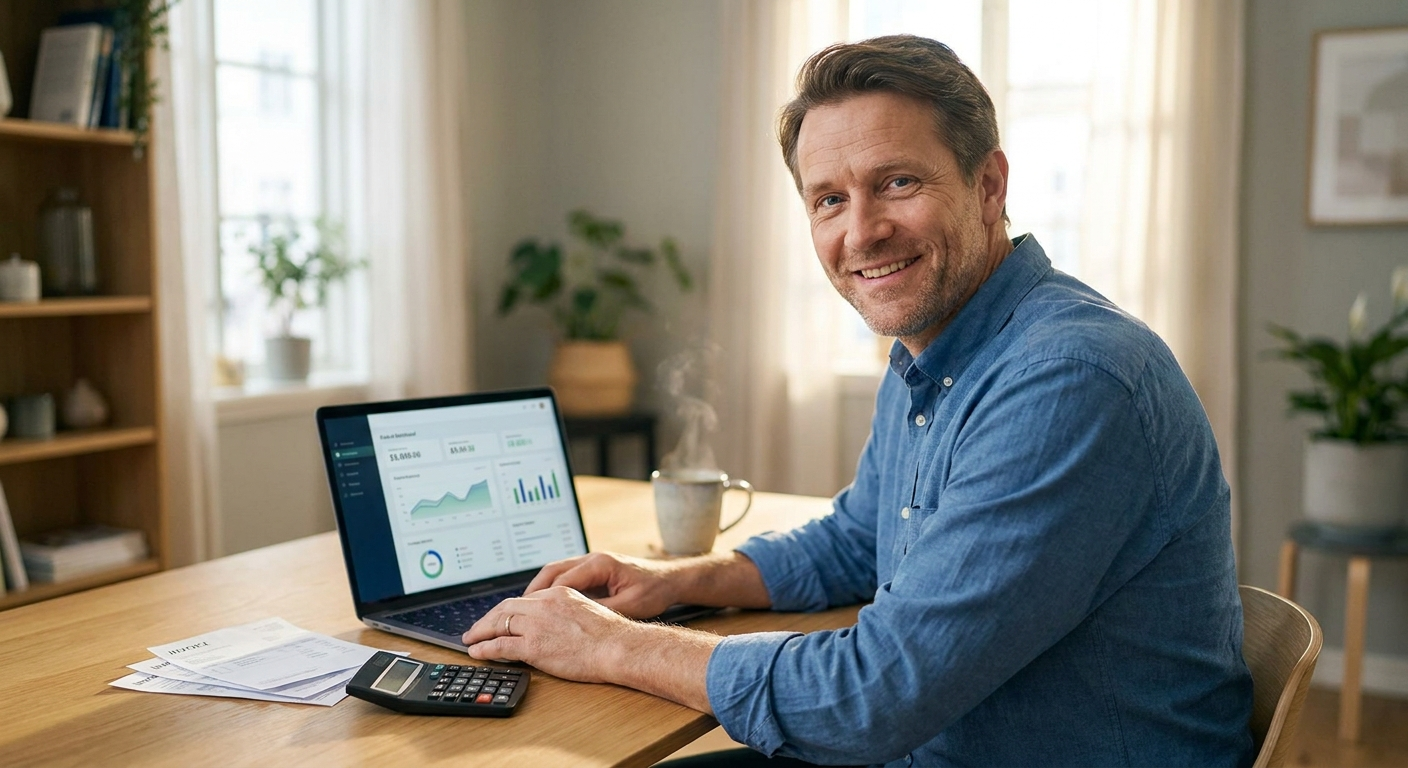
What bookkeeping involves for a small business is actually simpler than most people expect — and far more expensive to ignore than most people realise until it’s too late.
What Bookkeeping Actually Is (And What It Isn’t)
At its core, bookkeeping is just the regular recording of your business’s financial transactions. Every sale you make, every expense you pay, every invoice you send or receive — bookkeeping is the process of capturing all of that in an organised way.
It’s worth separating bookkeeping from accounting, because people often use the words interchangeably. Bookkeeping is the data entry side — keeping the records clean and current. Accounting is what happens with those records: tax calculations, financial analysis, year-end filings. You need both, but they’re not the same thing.
From April 2026, sole traders and landlords earning over £50,000 must keep digital records and submit quarterly updates to HMRC under Making Tax Digital for Income Tax. That threshold drops to £30,000 from April 2027, and then to £20,000 from April 2028 — meaning hundreds of thousands more small business owners will need proper bookkeeping systems in place.
What Happens When You Fall Behind on Your Books
The honest answer is: it tends to get expensive. Late or inaccurate Self Assessment filings can trigger an immediate £100 fine, with further daily penalties after that. Inaccurate returns can lead to penalties of up to 30% of the tax owed — and that’s before any interest HMRC charges on late payments.
The wider cost of poor financial records is harder to see but just as real. If you don’t know what you’re actually earning, you can’t make good decisions about pricing, hiring, or whether you can afford that new piece of kit. A lot of small business owners are essentially flying blind — and they only find out when something forces the issue.
Should You Do Your Own Bookkeeping?
Plenty of small business owners start out doing their own books, and there’s nothing wrong with that. Spreadsheets or basic software can work fine when things are simple. The problem is that most businesses don’t stay simple — and the time it takes to maintain your own records properly is time you’re not spending on the thing that actually earns you money.
Outsourced bookkeeping done properly — using cloud software like QuickBooks, FreeAgent or Xero — gives you real-time visibility of your finances without you having to maintain it yourself. The risk of errors drops, your records are always ready for HMRC if they come asking, and you stop spending Sunday evenings trying to reconcile your bank account. I’ve seen people spend hours a week on this when a good bookkeeper could handle it in a fraction of the time.
What Good Bookkeeping Looks Like Month to Month
Good bookkeeping isn’t a once-a-year panic. It’s a steady routine: transactions categorised correctly, bank accounts reconciled, invoices tracked, expenses recorded. Done monthly, it takes a lot less time than doing it quarterly or annually — and the information it gives you is actually useful, not just historical.
With MTD-compatible software, your records are already in the format HMRC expects. That matters now for VAT-registered businesses, and it’s going to matter for a lot more sole traders over the next two years as the Making Tax Digital thresholds fall. Getting your bookkeeping sorted now means you’re not scrambling to change everything under pressure later.
If you’ve got a shoebox of receipts or a spreadsheet that hasn’t been touched since January, I promise you’re not the first person to show up with that situation. It’s fixable. If you want to talk it through, just drop me a message and we’ll work out what makes sense for you.
Want to go further with this?
Whether you want to understand the full picture or you’re ready to hand your books over to someone who’ll handle it personally, there are two good places to go next.
Not sure if your bookkeeping is actually in good shape?
Answer five quick questions and get a clear picture of where your records stand and what to sort first.

AAT qualified accountant based in Uttoxeter. Personal, one-to-one accounting for small businesses and sole traders across the UK.