What to Look for in a Small Business Accountant Before You Commit
“Luke is an extremely professional and approachable guy. His knowledge in the field of accounting is second to none.”
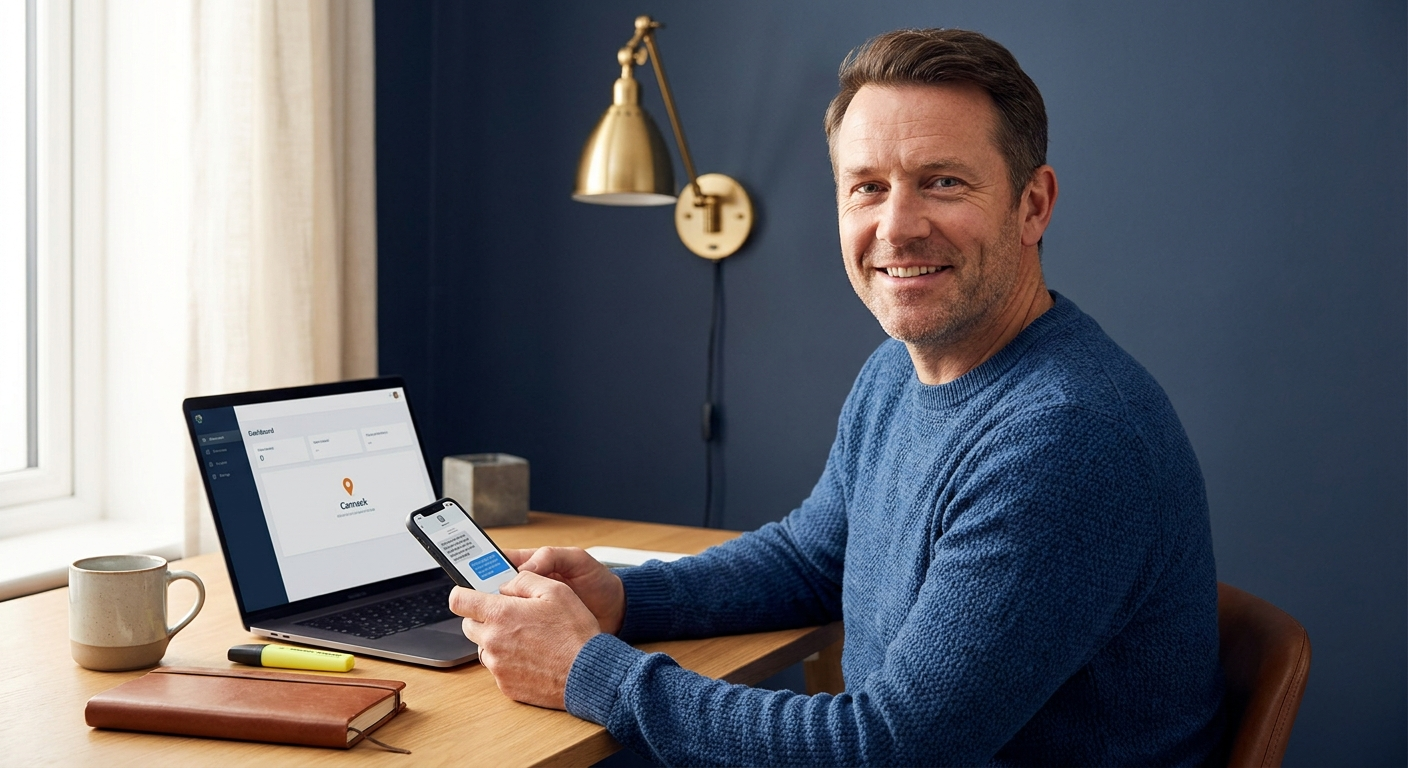
What to look for in a small business accountant is one of those questions that sounds simple until you’re actually sitting in front of a list of names with no idea how to tell the good from the not-so-good. Here’s what actually matters.
Qualifications: what they mean and which ones to check
Not everyone who calls themselves an accountant is formally qualified. In the UK, the title isn’t legally protected, so it’s worth knowing what to look for. The main accounting bodies are the AAT, ICAEW, ACCA and CIMA — all of them have proper entry requirements, ongoing training obligations and conduct rules.
I hold the FMAAT designation — that’s AAT Level 4 qualified with full membership of the AAT. It means I’ve passed formal exams, I’m bound by a professional code and I carry the right insurance. If an accountant can’t tell you which body they belong to or what their qualifications are, that’s already useful information. A structured approach to checking a finance professional’s credentials makes the whole process a lot less daunting.
Business rates rules are changing from April 2026, according to Cannock Chase District Council — another reason to have a qualified accountant who keeps up with local and national changes, not just someone who files your return once a year and disappears.
The questions worth asking before you sign anything
A first call with an accountant isn’t an interview you can fail. It’s a chance to get a feel for whether they’ll actually be useful to you. Ask them who handles your work day to day — at a bigger firm, it might be a junior you’ve never met. Ask whether they work with businesses like yours, because an accountant who mostly does corporate tax might not think the way a sole trader needs them to.
Tax compliance costs small businesses nearly £25 billion a year, and three in five small business owners say dealing with HMRC has increased their workload. A decent accountant should be reducing that burden, not adding to it. Ask how they communicate, how quickly they respond, and whether fees are fixed or hourly — those three answers tell you a lot.
What a good working relationship actually looks like
The best accountant isn’t necessarily the cheapest or the one with the fanciest website. It’s the one who answers your messages without making you feel like a nuisance, explains things in plain English, and remembers that you’ve got a business to run on top of all this. Consistency matters too — you want to be talking to the same person every time, not a different face every call.
Some people worry their situation is too small, too messy or too complicated. It almost never is. I work with sole traders who have a shoebox of receipts, limited companies with multiple directors, and contractors who’ve been caught out by IR35 changes — all of it is manageable when someone’s actually paying attention to your accounts. The difference between a reactive accountant and a proactive one shows up most clearly at tax planning time, not filing time.
Red flags that tell you to keep looking
Vague answers about fees are a common one. If an accountant can’t give you a clear sense of what they’ll charge and what’s included, you’re likely to get surprises later. The same goes for firms that talk a lot about large corporate clients but mention small businesses as an afterthought — you want to feel like a priority, not a filler client squeezed in between bigger jobs. Some large firms have been criticised for offering little beyond generic advice, with clients reporting they received no personalised guidance on even basic allowable expenses.
If there’s no free introductory call on offer, that’s worth noting too. Any accountant worth their fee should be happy to have a no-obligation conversation first. It protects you both. You’re checking whether they’re a good fit; they’re checking whether they can genuinely help you. Starting with that kind of honesty is a decent sign of how the relationship will go.
If you’re looking for an accountant in or around Cannock and you want to talk through your situation before deciding anything, just book a free call. No commitment, no pressure — just a proper conversation about where you are and what you need.
Ready to take the next step?
Here are two ways to go further — a full guide if you want to do your research properly, and a direct route to booking a call with me if you’d rather just talk it through.
Not sure if your current accountant setup is actually working for you?
Answer five quick questions and find out what you should be getting from your accountant — and whether you’re getting it.

AAT qualified accountant based in Uttoxeter. Personal, one-to-one accounting for small businesses and sole traders across the UK.