A Practical Guide to Accounting in Tamworth
“Would 100% recommend, is always polite, professional and helpful! He is always available to answer any questions I have and his knowledge has been a saving grace many times!”
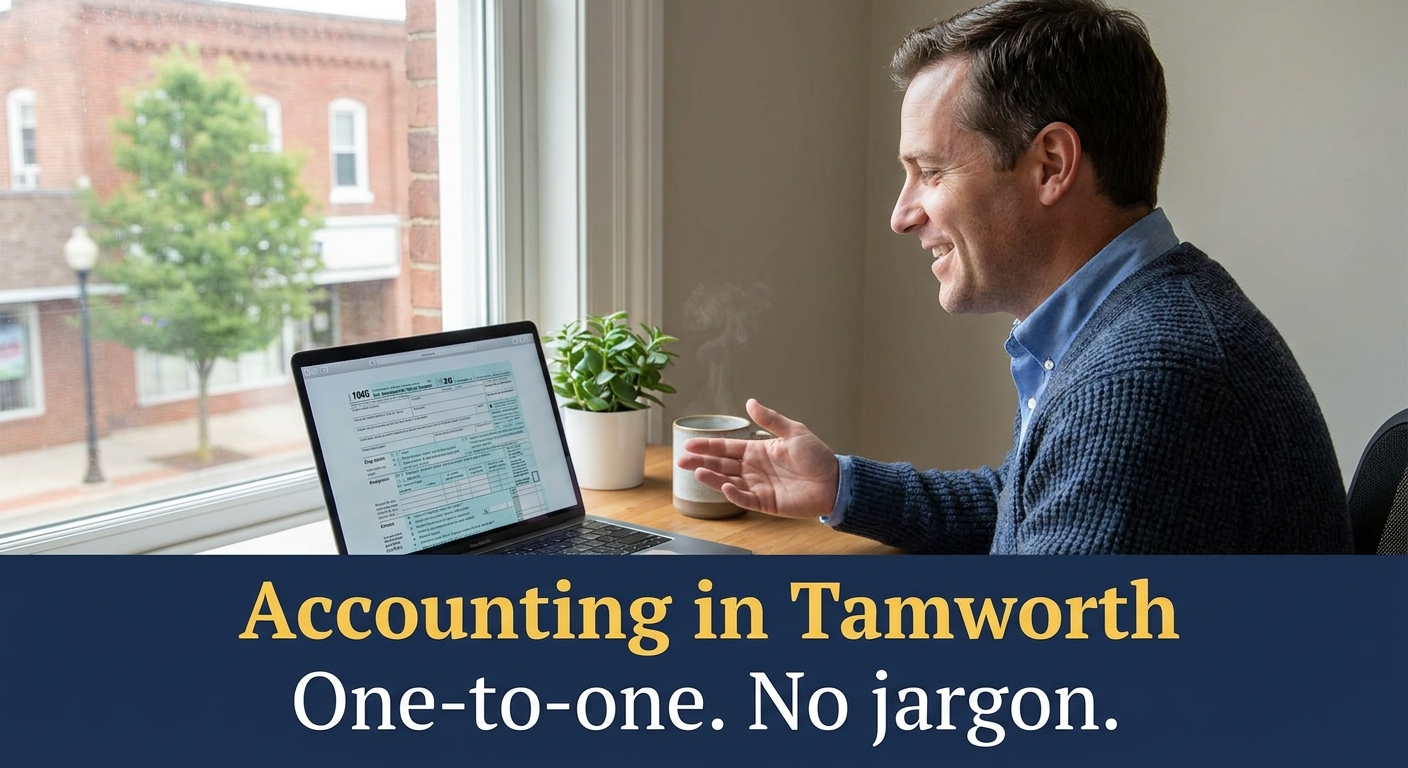
If you are running a business in Tamworth and feel like your accounts are getting away from you, you are not alone. This guide covers what good accounting actually looks like, what to watch out for when choosing someone to help, and how to take the first step without making it harder than it needs to be.
Why accounting in Tamworth matters more than you might think
Tamworth has around 260 active businesses according to official ONS business demography data. That is a community of sole traders, contractors and small limited companies all dealing with the same obligations: self assessment, VAT, payroll, year-end accounts. Most of them are running these things themselves, or with whatever accountant they landed on first.
The problem is not that Tamworth businesses are disorganised. It is that accounting rules keep changing, and the cost of getting it wrong is real. Making Tax Digital for Income Tax becomes mandatory from April 2026 for sole traders and landlords earning over £50,000, with the threshold dropping to £30,000 in 2027 and £20,000 in 2028. If you are not already thinking about this, now is the time to start.
HMRC will write to taxpayers who need to join Making Tax Digital, but the responsibility to check and comply sits with you, not HMRC. If you are a sole trader with qualifying income above £50,000 in the 2024-25 tax year, you need to be MTD-compliant by 6 April 2026. An accountant who is already set up for digital reporting can make this transition straightforward.
Where most Tamworth businesses go wrong
Most accounting problems do not start with a mistake. They start with delay. A sole trader puts off reconciling their records for a month, then two, then the year-end is upon them and they are guessing at figures they should know precisely. The result is a rushed filing, a possible penalty, and a tax return that probably missed legitimate deductions.
Choosing an accountant based on price alone
A low fee sounds appealing right up until the point your accountant goes quiet before a deadline, or you realise you have been speaking to a different person every time you call. Which? Trusted Traders advise looking for a specialist firm with clients the same size as your business. A sole trader in Tamworth has very different needs from a fifty-person company, and the accountant you choose should reflect that.
Not checking qualifications or professional standing
Anyone can call themselves an accountant in the UK. There is no legal restriction on the title. That is why professional qualifications matter: AAT, ICAEW, ACCA and similar bodies require ongoing training, hold members to ethical standards and carry professional indemnity insurance. Before you sign anything, check that your accountant is a registered member of a recognised body and has adequate insurance in place.
“Most of the clients who come to me have been doing their own books for a year or two and quietly know something is not right. We sort it out, work out what they actually owe, and get them onto a clean footing. That first conversation is always easier than they expected.”
What to do when you need an accountant in Tamworth
The process of finding the right accountant does not have to be complicated. Most people overthink the decision and end up doing nothing. Three clear steps will take you from confused to sorted without wasting much time.
- Work out what you actually need. Are you a sole trader who just needs a self assessment return filed? A limited company that needs full year-end accounts and corporation tax? Or someone whose bookkeeping has fallen behind and needs catching up before anything else can happen? Being clear on this before any conversation saves time on both sides.
- Check qualifications and how the service works. Ask directly: are you AAT, ICAEW or ACCA qualified? Will I be dealing with you personally, or passed to someone else? What is included in the fee and what costs extra? A transparent answer to all three questions is a good sign. Vagueness on any of them is worth noting.
- Book a short introductory call before committing. Most good accountants offer a free initial conversation. Use it to describe your situation plainly and see whether they give you a straight answer or a brochure. If they explain things clearly and quote a fixed fee, you have probably found the right fit. A letter of engagement sets out the terms formally once you decide to proceed.
Once you are working with someone, the ongoing relationship is what matters most. You should be able to ask questions and get a prompt reply, not wait weeks for a response that never quite answers what you asked.
Costs and what to expect
Accounting fees vary depending on the complexity of your business and what you need done. A sole trader with a simple income structure and clean records will pay less than a VAT-registered limited company with payroll and multiple income streams. What matters more than the headline number is what is included, how responsive the accountant is, and whether the fee is fixed or liable to creep up. Fixed fees give you predictability. Hourly billing gives you uncertainty at exactly the moment you are already stressed about money.
| Option | Pros | Cons |
|---|---|---|
| DIY accounting | No accountancy fee | High risk of errors, missed deadlines and overpaid tax |
| Using a qualified accountant | Accurate filing, deadlines tracked, tax kept in order | Monthly or annual fee depending on service level |
How to get started today
If your accounts are not where they should be, the worst thing to do is wait. HMRC late filing penalties start at £100 for self assessment and increase the longer you leave it. Getting the right person involved early almost always costs less than the damage done by delay.
- Write down your current situation in plain terms: what type of business you run, which tax obligations you have outstanding, and roughly what records you already have. This takes ten minutes and makes any first conversation far more productive.
- Book a free introductory call with a qualified accountant who works with businesses like yours. Ask about fixed fees, what is included, and whether you will be dealing with the same person throughout. The answers will tell you a lot.
Ready to sort your Tamworth accounts?
I offer self assessment, VAT returns, bookkeeping, payroll and limited company accounts on a fixed fee with no tie-in and no junior staff involved. Book a free introductory call and we will work out exactly what you need.
Is your accounting set up working for your business?
Answer five quick questions and get a clear picture of where your accounting stands and what to do next.

AAT qualified accountant based in Uttoxeter. Personal, one-to-one accounting for small businesses and sole traders across the UK.