A Plain-English Guide to Small Business Accounting
“Would 100% recommend, is always polite, professional and helpful! He is always available to answer any questions I have and his knowledge has been a saving grace many times!”
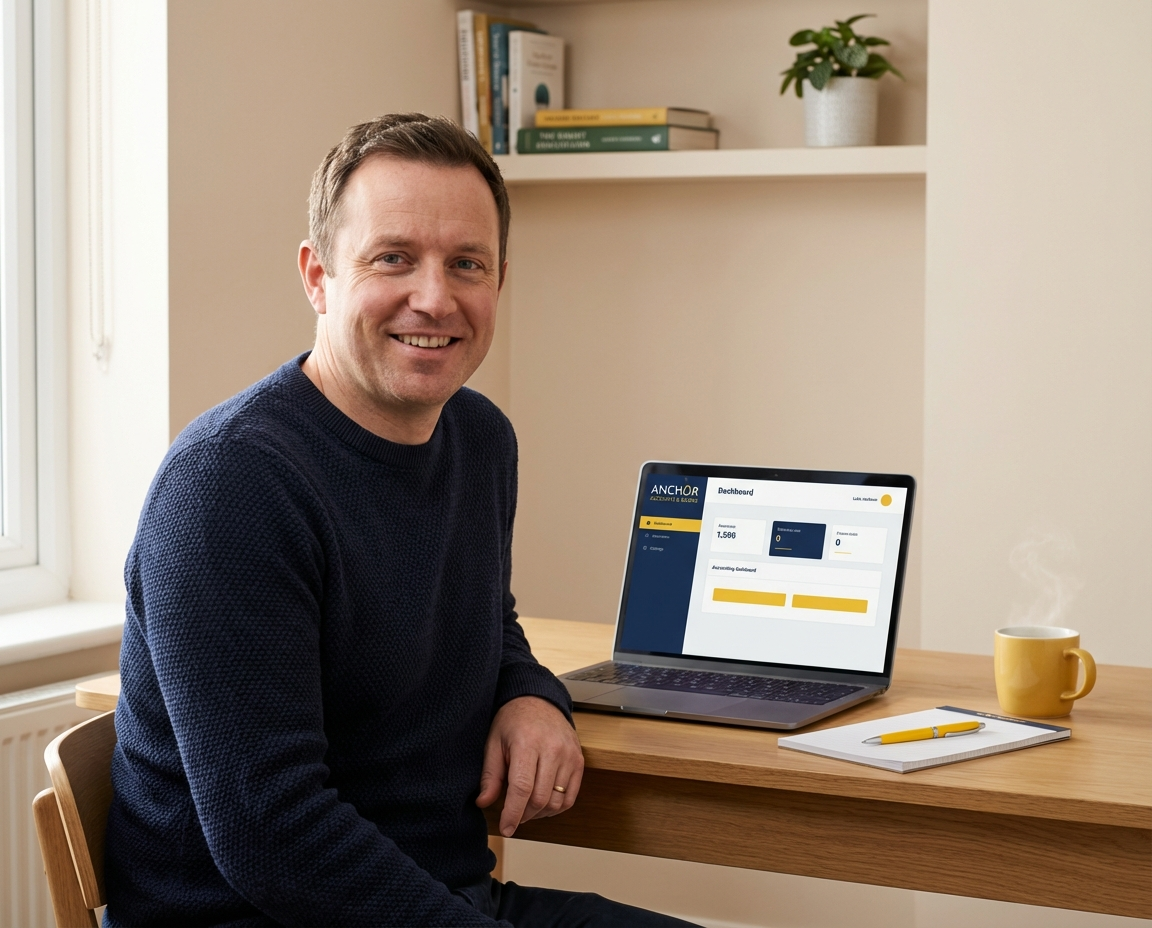
Most small business owners manage fine until the numbers start to matter, and then the whole thing feels impossible without a map. This guide covers the accounting basics you actually need, the mistakes that cost businesses money, and the steps to get your records in order.
Why small business accounting matters more than most owners expect
Accounting is not just filing a return once a year. It is how you know whether your business is actually profitable, whether you owe HMRC money, and whether a decision you make today will hurt you in six months. Without accurate records, you are guessing, and HMRC does not accept guesses.
HMRC research into small business tax compliance found that in 2022-2023, small businesses accounted for 60% of the total UK tax gap, estimated at £23.9 billion. A significant proportion of that gap comes not from deliberate fraud, but from blurred personal and business finances and a basic misunderstanding of what counts as income and expenditure. The consequences range from penalty notices to formal enquiries.
HMRC requires businesses to keep records of all sales, income, purchases and expenses. Under HS222 guidance on calculating taxable profits, your accounting period starts on the day your business begins trading, or the day after the previous period ends. Missing or incomplete records are one of the most common triggers for a compliance check.
Where most small business owners go wrong
The mistakes that create real problems are rarely dramatic. They tend to be quiet habits that compound across months until a deadline forces the issue. Understanding where things typically go wrong makes it far easier to avoid them.
Mixing personal and business money
HMRC’s research found that blurred personal and business finances is one of the most common factors behind compliance failures in small businesses. Paying a personal bill from the business account, or using a personal card for a business purchase and never recording it, both create errors that are hard to unpick at year-end. A separate business account, even a basic one, removes most of this risk immediately.
Choosing the wrong accounting method
There are two recognised methods for calculating your taxable profit. Cash basis accounting records income when it is received and expenses when they are paid, which is simpler for most sole traders. Traditional accruals accounting records income when invoiced and expenses when billed, regardless of when money actually moves. Using the wrong method for your business type, or switching between the two without telling HMRC, produces inaccurate tax figures.
“Most of the clients I work with were not doing anything wrong. They just had no system, so the right answer was invisible to them. A bit of structure changes that faster than most people expect.”
What to do, step by step
Getting your accounting in order does not require you to understand everything at once. There is a logical sequence that works whether you are starting from scratch or trying to catch up from behind.
- Open a dedicated business bank account and route all income and expenditure through it. This single step eliminates the majority of record-keeping errors and makes your bookkeeping significantly faster to prepare.
- Decide on your accounting method. Most sole traders use cash basis, which records money in and out when it actually moves. If you run a limited company or have complex invoicing arrangements, accruals accounting may be required. An accountant can confirm which applies to you.
- Set up a system for recording transactions consistently, whether that is cloud accounting software such as QuickBooks, FreeAgent or Xero, or a structured spreadsheet. The method matters less than doing it regularly. Leaving records for three months and trying to reconstruct them from memory is where mistakes happen.
Once you have a system running, the priority shifts to keeping it current. Monthly or quarterly bookkeeping is far less stressful than an annual scramble, and it gives you usable numbers to make decisions with throughout the year.
Costs and what to realistically expect
The choice between handling your own accounts and working with a qualified accountant is not purely about cost. It is about how much time you are willing to spend on something that is not your core work, how confident you are in your understanding of HMRC’s requirements, and what the cost of an error would actually be. For many sole traders, the time spent self-filing could be spent earning more than the accountancy fee itself.
| Option | Pros | Cons |
|---|---|---|
| DIY with software | Low monthly subscription cost. Full visibility of your own numbers. | Time-intensive. Risk of filing errors, missed allowances, or using the wrong tax method. No one to catch mistakes before they reach HMRC. |
| Qualified accountant | Accurate returns, tax minimised, deadlines tracked, someone to ask questions. Fixed fee means no surprise invoices. | Monthly or annual fee. Requires you to share records and respond to requests. |
How to get started today
You do not need to have everything perfect before speaking to an accountant. Most people come to me with a backlog or a filing deadline approaching, and that is fine. The goal of a first conversation is to understand where you are and what needs doing, not to judge how you got there.
- Gather your last 12 months of bank statements for your business account. If personal and business money is mixed, gather those too. This is enough to begin a proper assessment.
- Make a note of any HMRC correspondence you have received, including letters about Self Assessment registration, VAT, or PAYE. Dates matter, and having them to hand speeds up the first conversation considerably.
Ready to sort your small business accounts?
I handle accounts, tax returns, bookkeeping and Self Assessment personally for sole traders and limited companies across the UK. Fixed fees, no tie-in, and I respond the same day.
Is your small business accounting in good shape?
Answer five quick questions and get a clear picture of where your records stand and what to address first.

AAT qualified accountant based in Uttoxeter. Personal, one-to-one accounting for small businesses and sole traders across the UK.