What Does a Bookkeeping Service Actually Do For Your Business?
“Luke is an extremely professional and approachable guy. His knowledge in the field of accounting is second to none.”
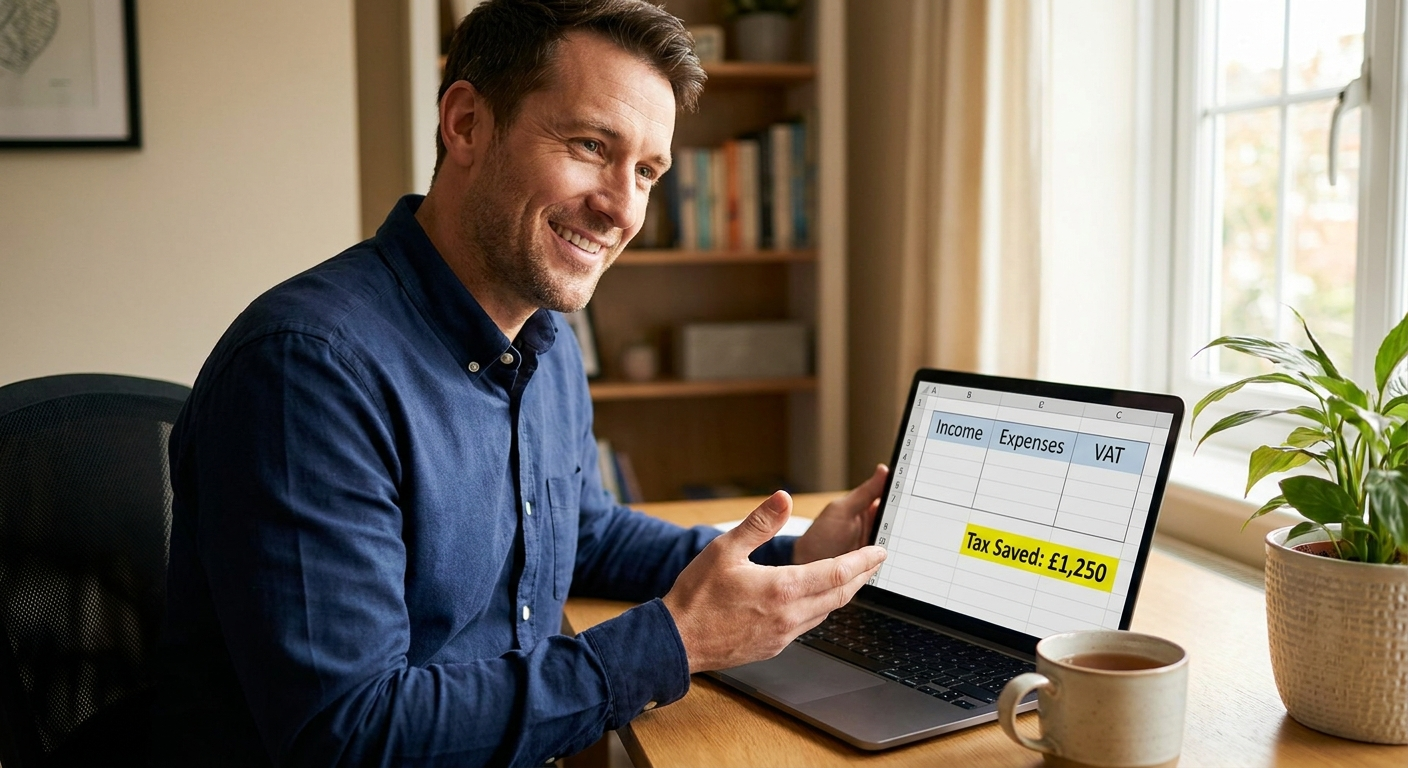
What a bookkeeping service actually does is one of those things people feel a bit sheepish asking about, but it’s a completely fair question and the answer is more practical than you might think.
What is bookkeeping, exactly?
Bookkeeping is the process of recording every financial transaction your business makes. Money in, money out, invoices sent, bills paid — all of it captured, categorised and kept in order. If your accounts are a mess, it’s almost always because the bookkeeping slipped.
A bookkeeping service takes that job away from you entirely. Rather than spending your evenings trying to match bank transactions or work out what that receipt from six weeks ago was for, someone else handles all of that on a regular basis. The result is that your records are always current and accurate, not scrambled together at the last minute.
HMRC expects accurate and up-to-date records from every business, and poor record-keeping is one of the most common reasons people end up with penalties. Keeping your books in order isn’t optional — it’s a legal requirement.
What does a bookkeeping service actually include?
At its core, a bookkeeping service covers recording your income and expenses, reconciling your bank accounts, and keeping everything organised so your accounts actually make sense at year end. Most bookkeepers also handle VAT returns, which means preparing and submitting your figures to HMRC on time each quarter.
Depending on who you work with, bookkeeping can also include payroll, CIS submissions if you work in construction, and cloud accounting software management — setting everything up in QuickBooks, FreeAgent, Xero or Sage so the numbers feed through automatically. The point is to get your financial admin to a place where it runs in the background and doesn’t eat your weekends.
How do you know when it’s time to get a bookkeeper?
Most people who come to me have been managing their own books for a while — and at some point the business grew, or life got busier, and the records just started slipping. The tell-tale signs are things like: you’re not sure how much VAT you owe, you’ve got a shoebox of receipts that hasn’t been touched in months, or you just can’t face logging into your accounting software.
The other common trigger is an HMRC letter. HMRC can charge penalties ranging from 0% to 100% of the tax lost depending on the nature of any errors, and inaccurate records are one of the quickest ways to end up in that position. If something has arrived in the post that’s made you nervous, that’s usually the moment people decide to get proper help — and it’s the right call.
What about Making Tax Digital? Does that change anything?
Yes, and this is worth knowing sooner rather than later. Making Tax Digital for Income Tax becomes mandatory from 6 April 2026 for sole traders and landlords with qualifying income over £50,000. The threshold drops to £30,000 from April 2027, and then to £20,000 from April 2028. That covers a lot of people.
What this means in practice is that quarterly digital records will be required, not just an annual Self Assessment return. If your bookkeeping has been informal up to now — a spreadsheet, or nothing at all — this is a real reason to sort it out before HMRC forces the issue. Getting set up with proper software and a bookkeeper who knows how it all connects will make the transition much simpler.
If any of this has sounded familiar — the backlog, the dread, the ‘I’ll sort it later’ feeling — just know that it’s much more fixable than it probably feels right now. I’ve seen situations far messier than yours, and I’ve never once judged anyone for how they got there. If you want to talk it through, just drop me a message.
Ready to take the next step?
Whether you want to read more about how to set your books up properly, or you’d just like a straightforward chat about what help would look like for your business, here are two good places to go next.
Not sure if your bookkeeping situation needs attention?
Answer a few quick questions and find out where the gaps are and what to do about them.

AAT qualified accountant based in Uttoxeter. Personal, one-to-one accounting for small businesses and sole traders across the UK.