Do You Actually Need an Accountant for Self Assessment?
“Luke is an extremely professional and approachable guy. His knowledge in the field of accounting is second to none.”
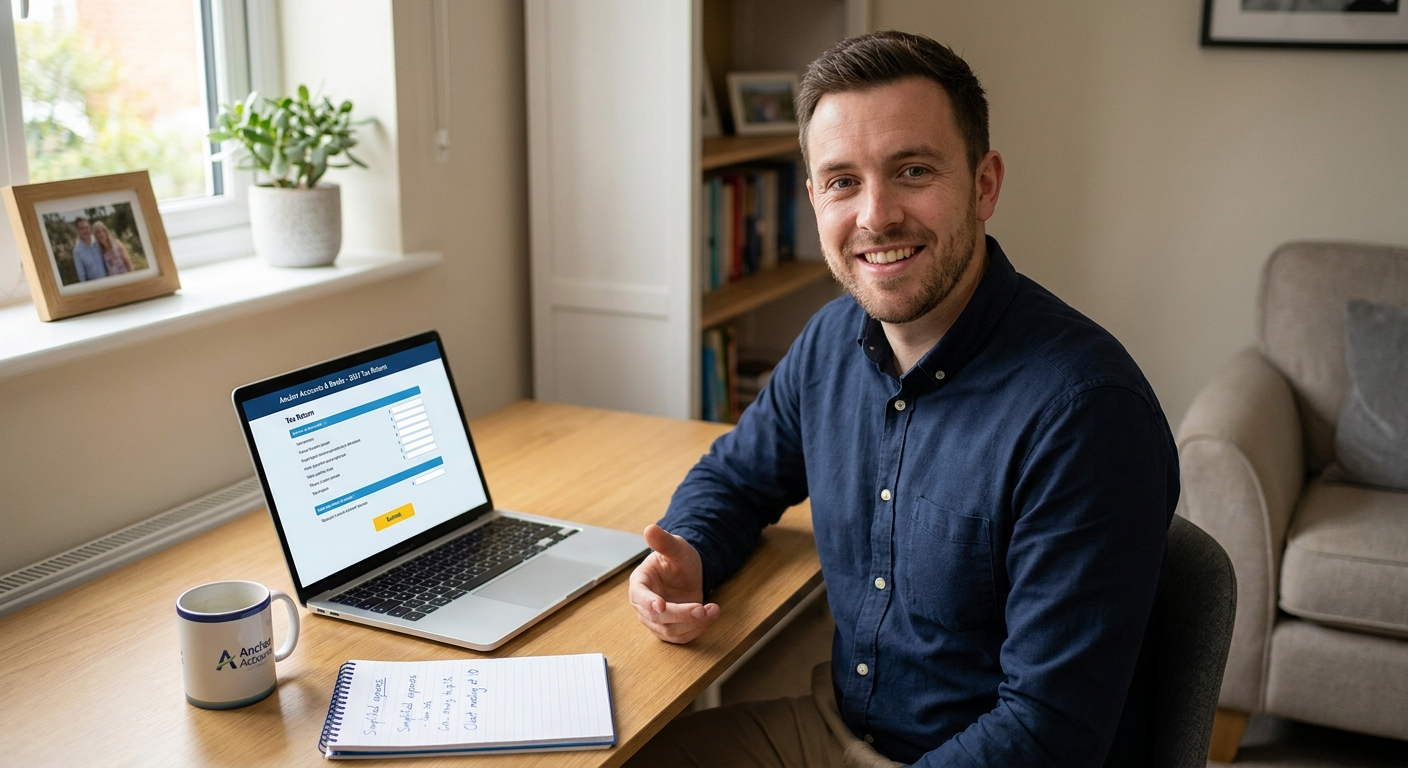
Do I need an accountant for self assessment? It’s the question I hear most often from freelancers and sole traders. The honest answer is that it depends on your situation, but for most people earning real self-employed income, the risk of getting it wrong costs far more than the help itself.
What Is Self Assessment and Who Has to File One?
Self Assessment is HMRC’s system for collecting tax from people whose income isn’t taxed automatically through PAYE. If you’re self-employed, a landlord, a contractor, or you earn more than £1,000 from freelance work in a tax year, you almost certainly need to file one. It’s a tax return that covers all your income, allowable expenses and any other details HMRC needs to work out what you owe.
The deadline for filing online is 31 January each year, covering the previous tax year ending 5 April. Miss it and you get an automatic £100 penalty, even if you don’t owe a single penny. Keep missing deadlines and daily charges stack on top of that.
If you’ve never registered for Self Assessment but you should have been filing, HMRC can look back several years. Registering late is always better than not registering. If you’re not sure whether you need to file, it’s worth a quick check rather than hoping it’ll go away.
What Can Go Wrong When You File It Yourself?
Filing your own Self Assessment isn’t illegal, and plenty of people do it. The problem is that most people don’t know what they’re allowed to claim. I’ve spoken with freelancers who paid more tax than they needed to for years simply because they didn’t know about allowable deductions for home working, travel, professional subscriptions or equipment.
HMRC’s online portal gives you boxes to fill in, but it doesn’t guide you on what goes where or flag when something’s missing. Get it wrong and you could underpay tax, which brings interest and penalties later. Or you overpay and never find out.
What Does a Self Assessment Accountant Actually Do?
A self assessment accountant does more than type your numbers into a form. I go through all your income and expenses, work out what’s legitimately claimable, check that the tax calculation is correct, and file everything directly with HMRC on your behalf. You don’t have to touch the HMRC portal at all.
I also look for things clients routinely miss: pension contributions, Gift Aid donations, mileage, home office costs, professional fees. These aren’t loopholes. They’re allowable deductions that genuinely reduce what you owe. Most clients are surprised by what they’d been leaving on the table by filing alone.
Making Tax Digital Is Coming. Here’s What It Means for You.
HMRC is rolling out Making Tax Digital for Income Tax, and the first wave hits in April 2026. If you’re a sole trader or landlord with qualifying income over £50,000 in the 2024-25 tax year, MTD applies to you from 6 April 2026. That means keeping digital records and sending quarterly updates to HMRC instead of one annual return.
The income threshold drops to £30,000 from April 2027, and to £20,000 from April 2028, so this will affect a large chunk of the self-employed population over the next two years. Getting your records and software set up properly before that deadline, rather than scrambling when the letters arrive, is exactly the kind of thing having an accountant in your corner helps with.
If any of this sounds familiar, or you’ve been putting off sorting your tax return, just drop me a message. I’ll tell you exactly where you stand, in plain English, with no pressure.
Ready to go further?
Whether you want to understand your options first or just get your return sorted, here are two straightforward next steps.
Not sure if you need to file a Self Assessment this year?
Answer five quick questions and find out exactly where you stand with your tax return.

AAT qualified accountant based in Uttoxeter. Personal, one-to-one accounting for small businesses and sole traders across the UK.