A Plain Business Owner’s Guide to Bookkeeping in Burton upon Trent
“Would 100% recommend, is always polite, professional and helpful! He is always available to answer any questions I have and his knowledge has been a saving grace many times!”
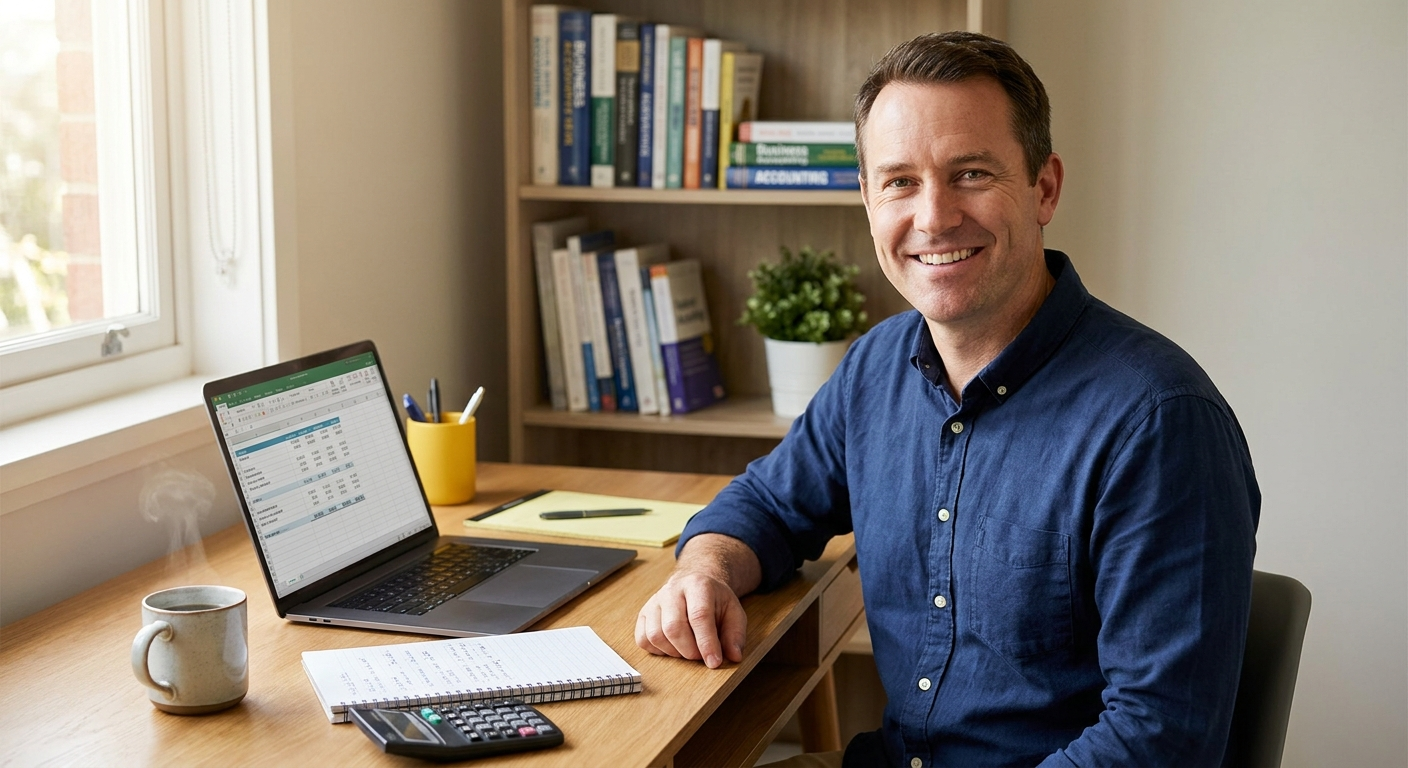
If your records are behind, your receipts are in a pile, and you’re not entirely sure what HMRC expects you to keep, you are not alone. This guide covers what good bookkeeping actually involves, where most small businesses go wrong, and what your options are if you want to get it sorted.
Why bookkeeping matters for Burton upon Trent businesses right now
Burton upon Trent is going through a period of active regeneration. Staffordshire County Council launched its 2026 UKREiiF delegation in March 2026, with Burton upon Trent listed as a priority area for major investment and town centre development. More activity in the local economy means more sole traders and small businesses starting up or scaling, and that means bookkeeping compliance matters more, not less.
Good bookkeeping is not just about tidy records. It tells you whether your business is actually profitable, keeps you ready for a VAT inspection, and means your accountant is not charging you extra time to untangle a year of chaos. ONS data on accounting and bookkeeping enterprises across the UK makes clear how many small businesses rely on external professional support to stay on top of this, and for good reason.
HMRC requires self-employed individuals to keep business records for at least 5 years after the 31 January submission deadline of the relevant tax year. If records are lost or destroyed, HMRC still expects you to file, using estimated figures if necessary. See the full guidance at GOV.UK: How long to keep your records.
Where most Burton upon Trent business owners go wrong
Research into common bookkeeping errors by small businesses consistently points to the same handful of problems. Knowing what they are is the first step to avoiding them.
Mixing personal and business finances
Using one bank account for both personal spending and business income is one of the most common mistakes. It forces you or your accountant to manually separate every transaction at year end, which is slow and introduces errors. A dedicated business bank account costs very little and saves a significant amount of time.
Letting reconciliation slip
Bank reconciliation means checking that your records match your actual bank statements. When this is left for months, small errors compound and can be very difficult to trace. Doing it monthly, or at minimum quarterly, keeps your figures reliable and means there are no unpleasant surprises when it is time to file.
“Most clients who come to me have been doing their own books for a year or two and are quietly worried it is not right. In almost every case, the backlog is fixable. The longer it is left, the harder it gets.”
What to do, step by step
Getting your bookkeeping in order does not require an overhaul of everything at once. A clear sequence of actions is more useful than a list of software options or vague advice to ‘stay on top of it’.
- Open a dedicated business bank account if you do not already have one. Every business transaction goes through this account only. This single step removes the biggest source of confusion in most small business records.
- Choose a cloud accounting tool and start recording transactions monthly. QuickBooks, FreeAgent and Xero all connect directly to your bank and categorise transactions automatically. This is far more reliable than spreadsheets and is a requirement under Making Tax Digital for VAT if your turnover exceeds the threshold.
- Reconcile your bank statements at the end of each month. Cross-check what the software shows against your actual bank balance and investigate any gap before moving on. Keeping this habit means your records are always accurate and HMRC-ready.
If you are already behind on records, the practical approach is to work backwards from your most recent bank statement and categorise transactions in reverse order, starting from the most recent. Forum discussions among UK business owners in 2026 show that confusion between bookkeeping and accounting tasks is very common. Bookkeeping covers the day-to-day recording of transactions. Accounting covers the interpretation of those records for tax purposes. Both matter, but they are distinct tasks.
Costs and what to expect
The cost of bookkeeping depends on the volume of transactions, whether you are VAT registered, and how organised your records currently are. As a rough guide, monthly bookkeeping for a sole trader with straightforward income and expenses typically sits in the range of £50 to £150 per month when handled by a professional. For a limited company with payroll and VAT, the cost is higher. Doing it yourself costs less upfront but carries the risk of errors, missed deadlines, and HMRC penalties if records do not hold up to scrutiny.
| Option | Pros | Cons |
|---|---|---|
| DIY bookkeeping | Low upfront cost, full control over your records | High error risk, time-consuming, HMRC penalties if records are wrong |
| Professional bookkeeper | Accurate records, deadline tracking, ready for accountant or HMRC | Monthly or quarterly fee depending on volume and VAT status |
How to get started today
If your records are behind or you are unsure whether what you have done so far is correct, the most practical first step is a short conversation with a qualified accountant. You do not need to have everything ready before reaching out. Most bookkeeping catchup work starts from whatever you do have, not from a position of perfect records.
- Gather the last three months of business bank statements and any invoices or receipts you have saved, however incomplete, and have these ready before a first call.
- Make a note of any software you are currently using, whether you are VAT registered, and the date your last tax return or accounts were filed, so the conversation can move quickly.
Ready to sort your bookkeeping?
I offer monthly bookkeeping, VAT returns, and cloud accounting setup on a fixed fee with no tie-in, handled personally from start to finish. Book a free introduction call and we will work out what needs doing and what it will cost.
Is your bookkeeping HMRC-ready?
Answer five quick questions about your records and get a plain-English summary of where you stand.

AAT qualified accountant based in Uttoxeter. Personal, one-to-one accounting for small businesses and sole traders across the UK.