Do You Actually Need an Accountant for Your Small Business?
“Luke is an extremely professional and approachable guy. His knowledge in the field of accounting is second to none.”
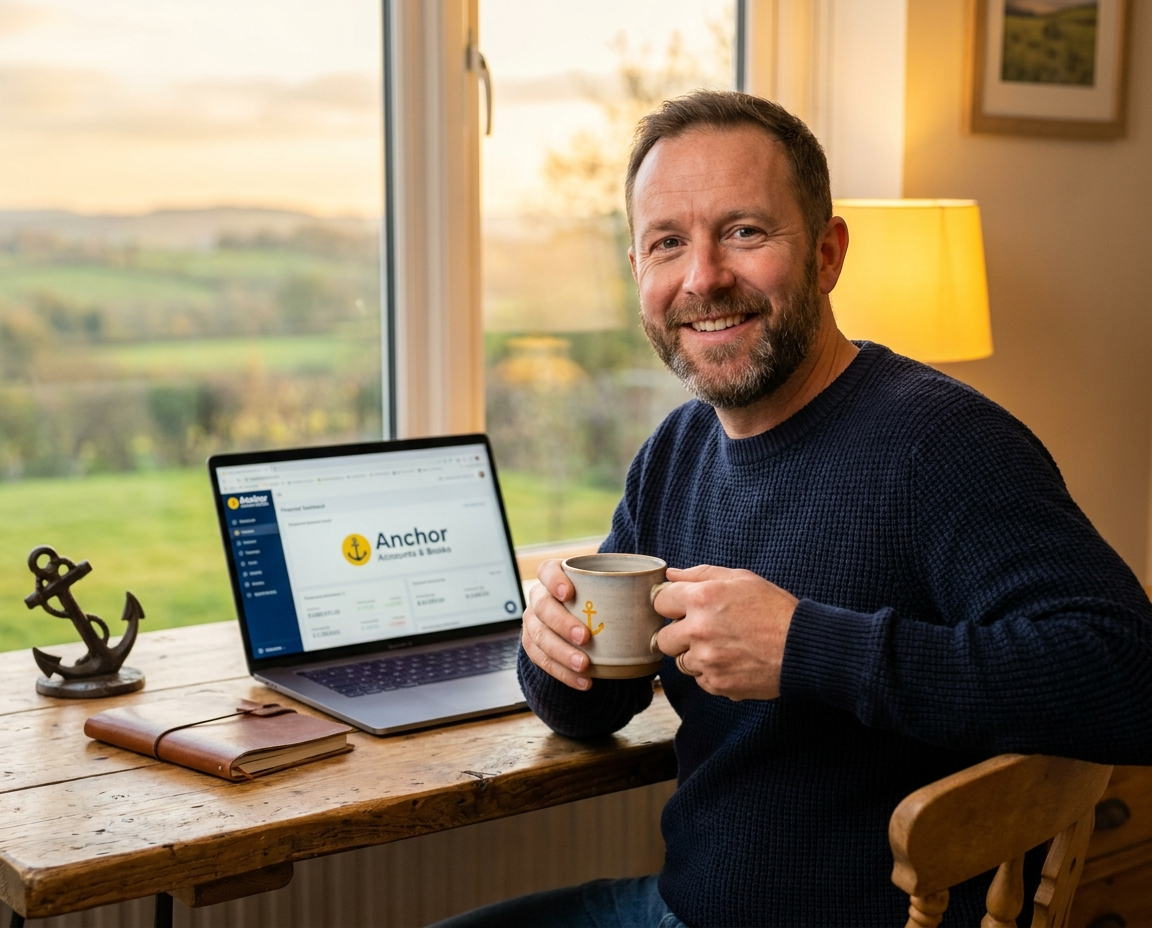
If you’ve typed ‘do I need an accountant for my small business’ into Google, the honest answer is probably yes — and the fact you’re asking suggests part of you already knows it.
What Does an Accountant Actually Do?
Most people think accountants just file tax returns once a year. That’s part of it, but it’s a fairly small part. A decent accountant keeps your records tidy throughout the year, makes sure you’re claiming everything you’re entitled to, and flags problems before they become expensive ones.
In practice, that means someone handling your Self Assessment or company accounts, submitting VAT returns on time, running your payroll if you have staff, and making sure your numbers are ready when HMRC asks for them. If you’re a sole trader or run a limited company, there are legal filing obligations you can’t ignore — and getting them wrong can mean penalties that mount up fast.
Missing a Self Assessment deadline costs you a £100 fine immediately, with further daily penalties after three months. An accountant’s job is partly just making sure that never happens to you.
Signs You’ve Probably Outgrown Doing It Yourself
If your bookkeeping is something you do in a panic before a deadline, that’s a sign. If you’ve ever Googled ‘what can I claim as a business expense’ at 11pm, that’s another one. Most small business owners reach a point where the financial admin starts eating into time they’d rather spend on actual work.
It’s not just about time, though. Tax rules change. Making Tax Digital (MTD) is already live for VAT-registered businesses, and the rollout for income tax is coming — meaning the way you keep and submit records will need to change too. Trying to stay on top of all of that while running a business is genuinely difficult, and the cost of getting it wrong usually outweighs the cost of getting help.
What to Look For When You Start Searching
Qualifications matter. Look for someone with AAT, ACA, ACCA or CIMA letters after their name — these show they’re trained, examined and regulated. If something goes wrong with your accounts, a qualified accountant has a professional body you can go to. An unregulated bookkeeper doesn’t carry the same accountability.
Beyond qualifications, think about fit. Can you actually get hold of them when you have a question? Do they work with businesses like yours? A sole trader plastering business has different needs to a limited company in professional services, and a good accountant will know the difference. The HMRC list of approved professional bodies is a useful starting point if you want to check whether someone’s credentials are legitimate.
Does Your Accountant Need to Be Local to You?
This comes up a lot with people searching for accounting in Staffordshire specifically. The honest answer is no — geography matters less than it used to. Cloud accounting software like QuickBooks, FreeAgent and Xero means a good accountant can work with you remotely without anything being lost. I handle all my clients entirely online and it works well.
That said, ‘local’ often means something different to people — they want someone who responds quickly, someone who picks up the phone, someone who actually knows them. That’s a fair expectation. What people are really after when they search for a local accountant is a personal service, not necessarily a physical office to visit. The ICAEW’s directory is one way to find qualified accountants by area if you want to cross-reference options.
If you’re at the point where you’re Googling this kind of question, it’s probably time to have a quick conversation with someone who can look at your actual situation. There’s no pressure and no jargon — just a straight answer on where you stand. Drop me a message any time.
Ready to take the next step?
Here are two useful places to go from here. One is a practical guide to choosing the right accountant in Staffordshire. The other is a quick overview of how I work and what I cover.
Not sure if your business finances need attention?
Answer five quick questions and find out exactly where you stand and what to sort out first.

AAT qualified accountant based in Uttoxeter. Personal, one-to-one accounting for small businesses and sole traders across the UK.