Do you actually need a local accountant, or can you go fully remote?
“Luke is an extremely professional and approachable guy. His knowledge in the field of accounting is second to none.”
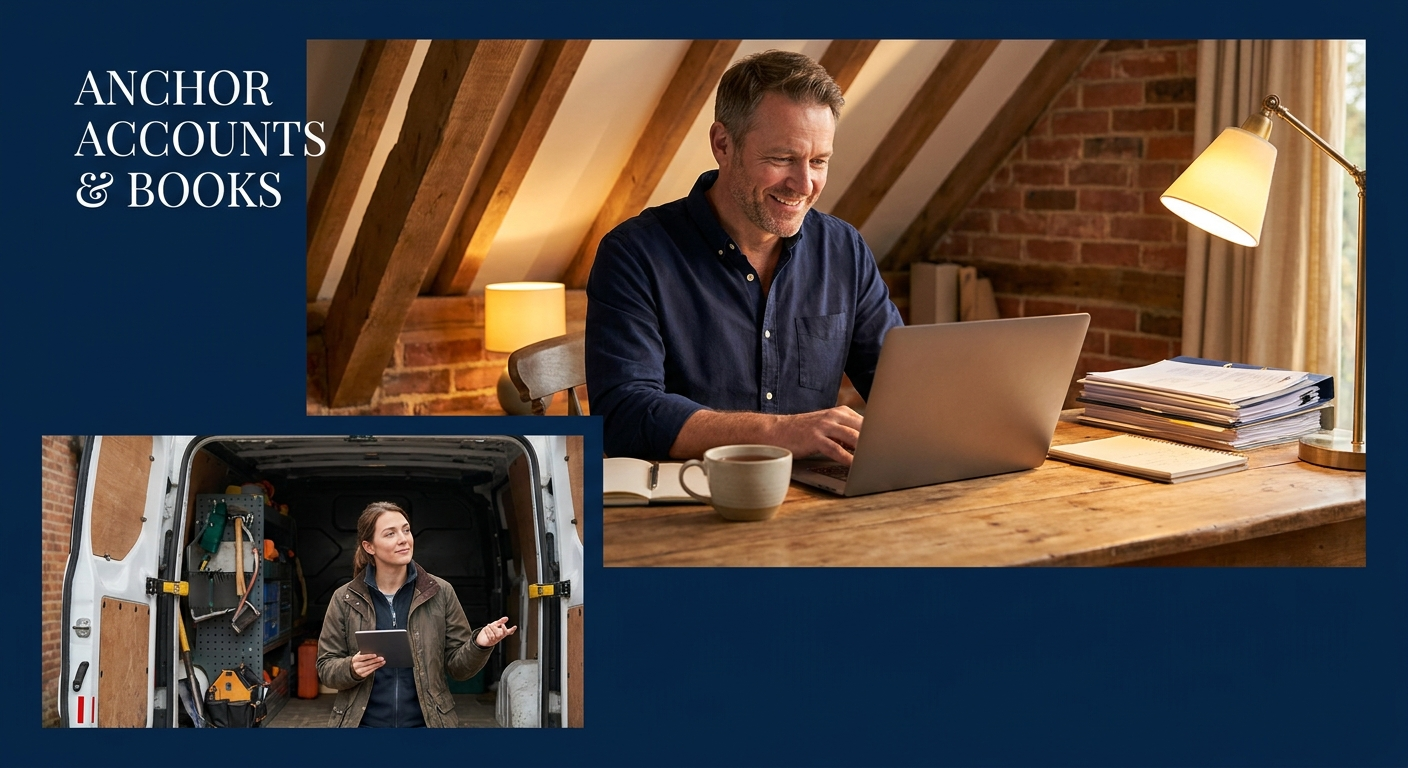
Do I need a local accountant, or can I go fully remote? It’s a question more UK business owners are asking right now, and the honest answer is: it depends far less on location than most people expect.
What remote accounting actually means for UK businesses
Remote accounting means your accountant works with you entirely online. There are no in-person office visits, no driving across town to drop off a folder of receipts. Instead, you share documents through secure cloud software, communicate by email or phone, and meet by video call when you need to talk things through.
In a UK context, remote accounting covers exactly the same ground as a traditional practice. Your accountant still handles Self Assessment tax returns, corporation tax, VAT returns, payroll and bookkeeping. The only difference is how the information gets to them and how you stay in touch. The work is identical.
HMRC accepts everything digitally. There is no legal requirement for your accountant to be physically nearby. All filings, including VAT returns under Making Tax Digital, are submitted electronically regardless of where your accountant is based.
What you actually need from an accountant
Most business owners, when they think about it, don’t really need an accountant to be local. They need someone who files things correctly and on time, answers questions without making them feel stupid, and is actually reachable when something comes up. None of those things require a shared postcode.
The main reasons people historically used local accountants were convenience and trust. You could walk into an office, see a face, hand over paperwork. That felt safe. But the same trust can be built remotely when the accountant is responsive, qualified, and genuinely communicates in plain English rather than hiding behind jargon.
Why people stick with local accountants, even when it’s not working
Switching accountants feels uncomfortable. Your current accountant knows your history, knows your business, and even if they’re slow to reply or expensive, there’s a familiarity to it. Making a change feels like starting from scratch, and that’s genuinely off-putting when you’re already stretched.
A UK Business Forums thread that has been running since 2011 shows business owners sharing exactly this hesitation. The concerns are consistent: will a remote accountant understand my situation, can I trust them with sensitive financial information, and what happens if I need them urgently? These are fair questions. But they apply to any accountant, local or remote, and are answered by checking qualifications, reading reviews, and having a proper conversation before signing anything.
How to know if a remote accountant is the right fit
Remote accounting works well if you’re comfortable using email and basic software, if you don’t need weekly face-to-face check-ins, and if you want a fixed monthly fee with no surprise bills. It tends to suit sole traders, contractors, small limited companies, and anyone who’s moved away from a city but still needs proper UK tax support.
It’s worth noting that Making Tax Digital is expanding across more tax types, which means most businesses will soon need cloud accounting software regardless of whether their accountant is local or remote. If you’re going to adopt cloud tools anyway, the practical advantage of a nearby office shrinks considerably. The question stops being “local or remote” and starts being “which accountant actually communicates well and knows what they’re doing?”
If you’re sitting on this decision and not sure which way to go, I’m happy to have a quick, no-pressure chat about your situation. Just drop me a message through the contact page and we’ll work out together whether I’m the right fit.
Ready to go further?
If you want more detail on how remote accounting actually works in practice, the guide below covers it step by step. Or if you’d rather just talk it through, book a free call and I’ll give you a straight answer.
Not sure if remote accounting is the right move for your business?
Answer five quick questions and find out what kind of accounting support fits your situation.

AAT qualified accountant based in Uttoxeter. Personal, one-to-one accounting for small businesses and sole traders across the UK.