A Plain English Guide to Sole Trader Accounting
“Would 100% recommend, is always polite, professional and helpful! He is always available to answer any questions I have and his knowledge has been a saving grace many times!”
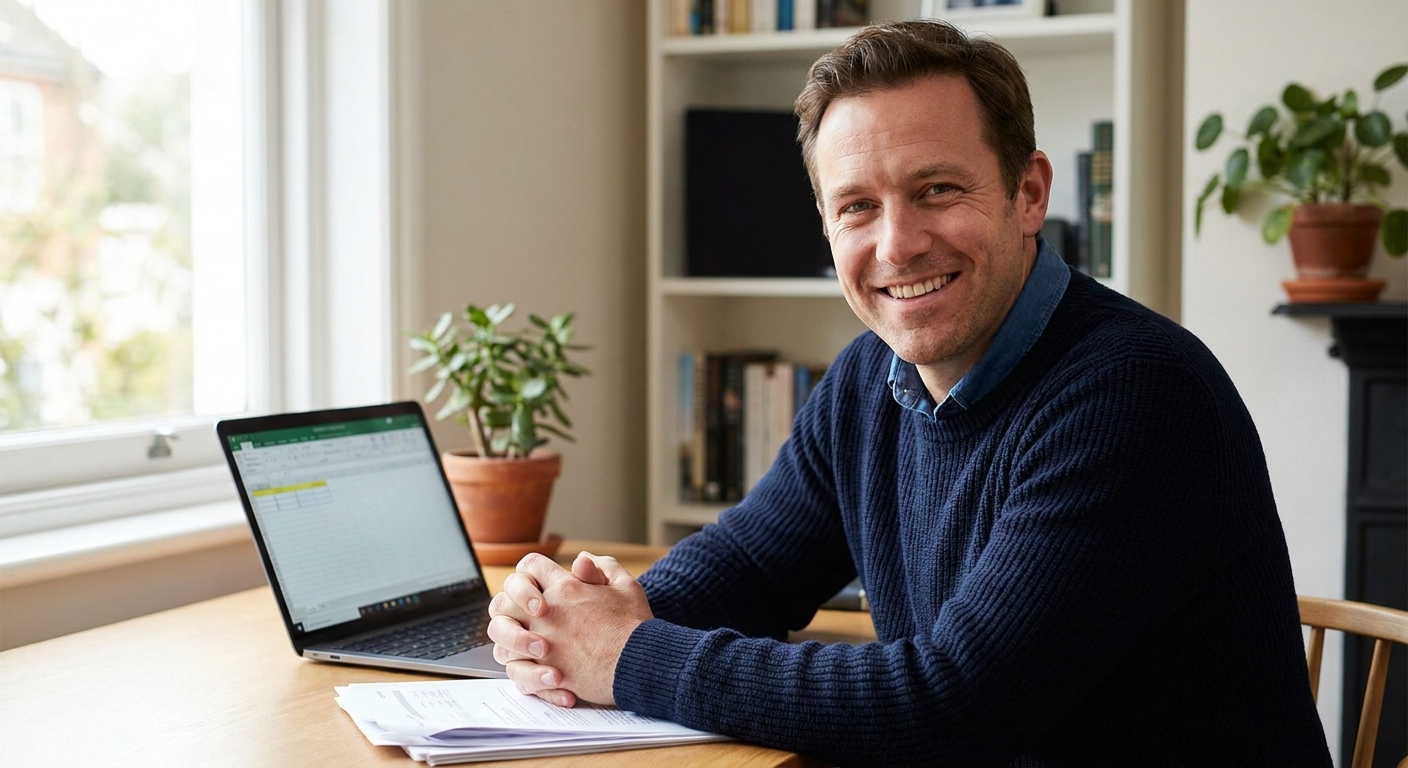
Most sole traders start out confused about what they actually need to do with their accounts, and that confusion is entirely normal given how little practical guidance exists in one place. This guide covers what records you are legally required to keep, what you need to file and when, what counts as a business expense, and how to decide whether to handle it yourself or bring in a qualified accountant.
Why accounting matters more than most sole traders realise
When you register as a sole trader, you take on a legal obligation to keep accurate financial records and file an annual Self Assessment tax return with HMRC. Miss the 31 January deadline and you face an automatic £100 penalty, then £10 per day for up to 90 days, then further charges on top of any tax owed. These are not scare tactics; they are the published HMRC rules.
Accounting also tells you whether your business is actually profitable. Many sole traders reach the end of their first year and discover they have been undercharging, over-spending, or paying more tax than necessary because no one ever showed them which expenses are deductible. Getting your records in order is not just about compliance; it directly affects what you take home.
From April 2026, sole traders with income over £50,000 must use Making Tax Digital for Income Tax, meaning quarterly digital submissions replace the annual paper process. The threshold drops to £30,000 from April 2027 and to £20,000 from April 2028. If you are approaching any of these thresholds, you need to act before HMRC writes to you, not after. Full details are on the GOV.UK MTD guidance page.
Where most sole traders go wrong
The two most common problems I see when a new client comes to me are mixed finances and missing receipts. Both are fixable. Neither means you are in serious trouble, but both make your tax return harder to file accurately and increase the chance of paying more tax than you owe.
Mixing personal and business money
Using one bank account for everything is the single biggest source of confusion in sole trader bookkeeping. When it comes to filing your Self Assessment, you or your accountant then has to manually separate every transaction, which takes time and introduces errors. Opening a free business bank account the day you start trading costs nothing and saves hours every year.
Treating all spending as a business expense
HMRC applies a simple test: an expense must be wholly and exclusively incurred for the purposes of the trade. A coffee with a client discussing a project is generally deductible. The same coffee bought on your day off is not. Claiming personal costs as business expenses is one of the most common triggers for an HMRC enquiry, and the fix is straightforward record-keeping from the start.
“Most of the sole traders who come to me are not in serious trouble. They are just confused and behind, and no one has ever explained to them in plain language what they actually need to do. That is the conversation I have on a first call.”
What to do as a sole trader, step by step
You do not need sophisticated software or a large budget to get your accounting in order. What you need is a consistent habit and a clear picture of what HMRC actually requires from you each year. The steps below apply whether you are starting fresh or catching up on a backlog.
- Open a separate bank account for your business. This is not a legal requirement for sole traders, but it makes every other step dramatically easier. Most banks offer free business accounts. Every business payment in and every business cost out goes through this account only.
- Record every invoice you raise and every business expense you pay. You can do this in a spreadsheet if your income is low and straightforward, or in cloud accounting software such as QuickBooks, FreeAgent, Xero, or Sage if you want automation and MTD-ready records. HMRC requires you to keep these records for at least five years after the 31 January filing deadline for the relevant tax year.
- File your Self Assessment tax return by 31 January each year, covering the previous tax year which runs from 6 April to 5 April. You will declare your total income, deduct allowable business expenses, and HMRC calculates the tax you owe. You also pay Class 4 National Insurance at this point, so the bill is often larger than people expect when they first see it.
If you are behind on your records, start with the current month and work backwards. Reconstructing three months of transactions from bank statements is manageable. Reconstructing two years is not, and that is usually when it becomes worth getting a qualified accountant involved to do a clean-up before your next filing deadline.
Costs and what to expect
The real cost question for sole traders is not just the accountant fee; it is the cost of getting it wrong. The £100 late filing penalty is the floor, not the ceiling. Errors in your expense claims, missing income, or incorrect National Insurance calculations can result in interest, surcharges, and in the worst cases, a formal HMRC enquiry. An accountant typically pays for themselves through tax savings and avoided penalties, not just convenience.
| Option | Pros | Cons |
|---|---|---|
| Spreadsheet DIY | No software cost, full control | Not MTD-compatible, high error risk, no tax planning |
| Cloud software (self-managed) | Automated bank feeds, MTD-ready | Some free tiers cap at low turnover levels, still requires time and accounting knowledge |
How to get your sole trader accounting sorted today
You do not need to solve everything this week. You need to take one concrete step today and build from there. The two actions below are the highest-impact starting points for any sole trader who does not yet have their accounting in order.
- Open a dedicated business bank account if you do not already have one. Most providers offer free accounts for sole traders. From today, every business transaction goes through it and nothing personal does.
- Log into your HMRC Personal Tax Account and confirm you are registered for Self Assessment. If you are not registered, do it now. The registration deadline is 5 October following the end of the tax year in which you started trading, and missing it carries its own penalties.
Ready to sort your sole trader accounts?
I offer a fixed fee for sole trader accounting that covers your Self Assessment, bookkeeping review, and year-round questions, with no tie-in and direct access to me personally. Book a free 20-minute call and we will go through exactly where you stand.
How on top of your sole trader accounting are you really?
Answer five quick questions and get a clear next step based on where your records actually stand.

AAT qualified accountant based in Uttoxeter. Personal, one-to-one accounting for small businesses and sole traders across the UK.